260 boxwood seedlings were planted in the Pitsunda-Myussera Nature Reserve as part of the World Abaza Congress's environmental project.
Selma Bazba
Boxwood is a relict plant, a valuable element of Abkhazia's ecosystem. Between 2012 and 2016, its population was seriously damaged by a pest infestation: approximately 95% of the republic's boxwood forests were destroyed. Today, the restoration of these unique plants is a priority conservation task.
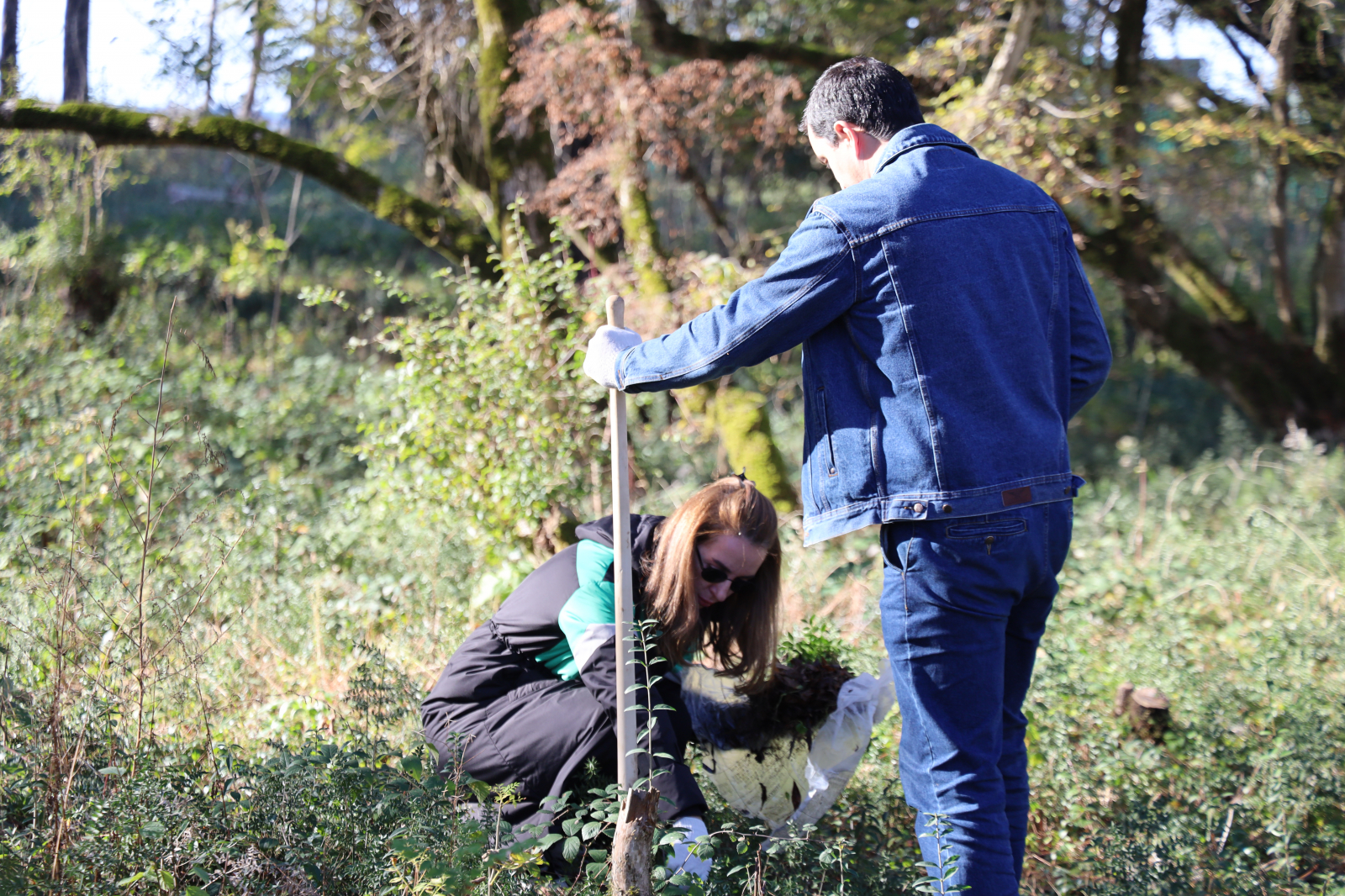
The successful planting was made possible by a labor-intensive preliminary process. The project moderators consulted with representatives of the Abkhazian Scientific Research Forest Station. Healthy saplings, grown in nurseries that adhered to environmental standards, were selected for the upcoming planting. Each seedling was carefully placed in the soil, taking into account the requirements for light, moisture, and soil composition.
Kherson Simoniia, a specialist in the Local Branches Department, told about the tree-planting activities carried out throughout the year.
"We completed the first stage of the environmental project back in March - planting chestnut trees in the forestry area of the Sukhum Region. Today the second stage has taken place - planting boxwood saplings in the Pitsunda-Myussera Nature Reserve," he said.
Simoniia thanked Mussa Ekzekov, Chairman of the WAC, for his support of the environmental campaign and expressed hope for its continuation.
"Considering the critical decline in the population of this species in Abkhazia, the project is particularly important. It is aimed not at formal environmental campaigns, but at the actual restoration of our ecosystem. We hope that the project will be successfully continued," he emphasized.
Sabina Loboda, Director of the Pitsunda-Myussera Nature Reserve, played a key role in implementing this initiative.
"Representatives of the WAC approached our reserve with a proposal to plant Colchis boxwood seedlings. This species of boxwood was grown at the Abkhazian Forest Research Station. Since 60 hectares of the reserve are the territory of boxwood groves, this proposal was very important for us. In this way, we are restoring our ecosystem and preserving the value of this endemic species," Loboda shared.
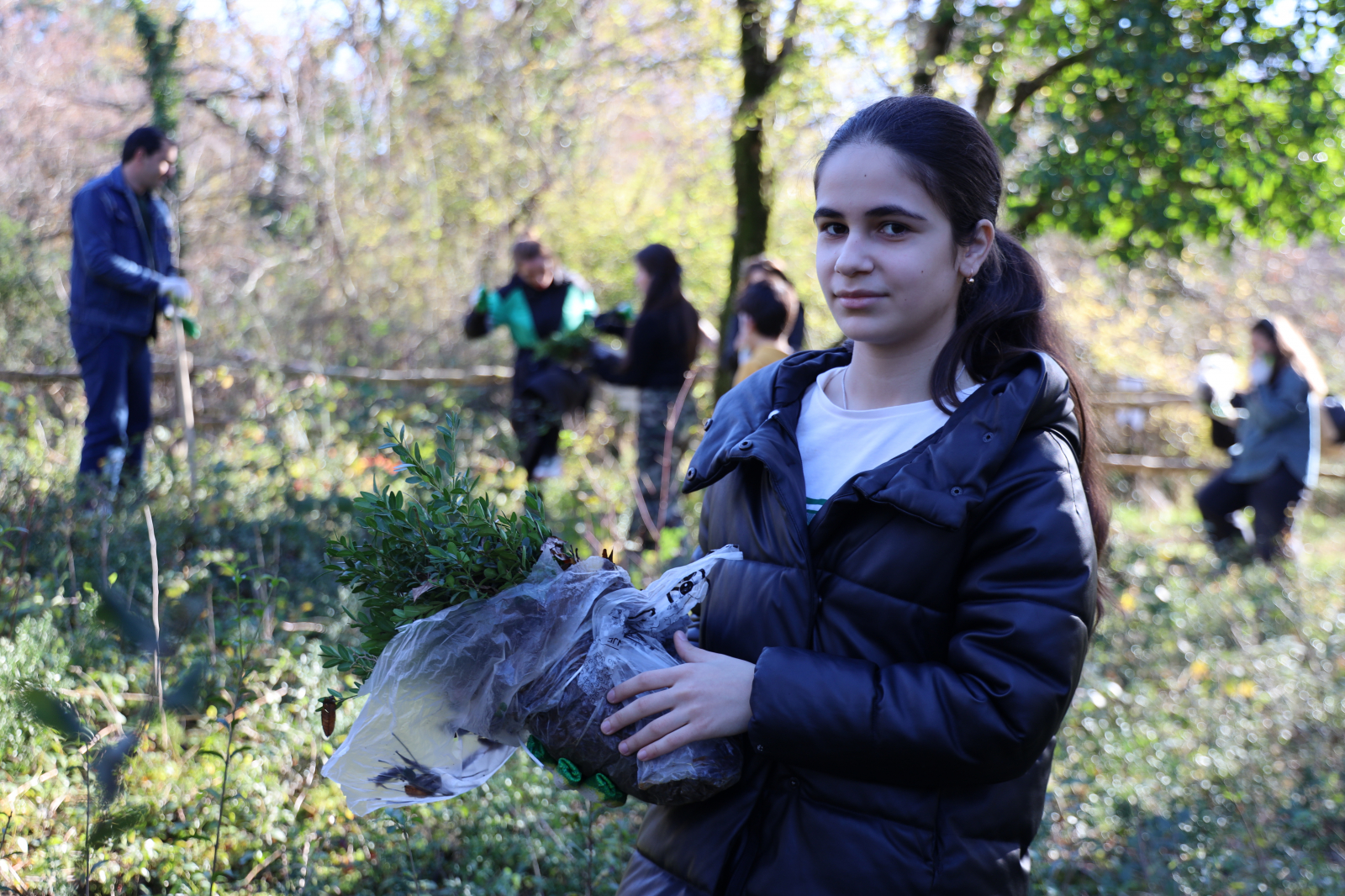
According to her, successful restoration of vegetation requires adherence to seedling cultivation technology.
"To grow a viable seedling, it is necessary not only to collect seeds from specific locations but also to grow them under strictly controlled conditions. It is important to wait until the seedling is at least three years old before planting it in the wild," she added.
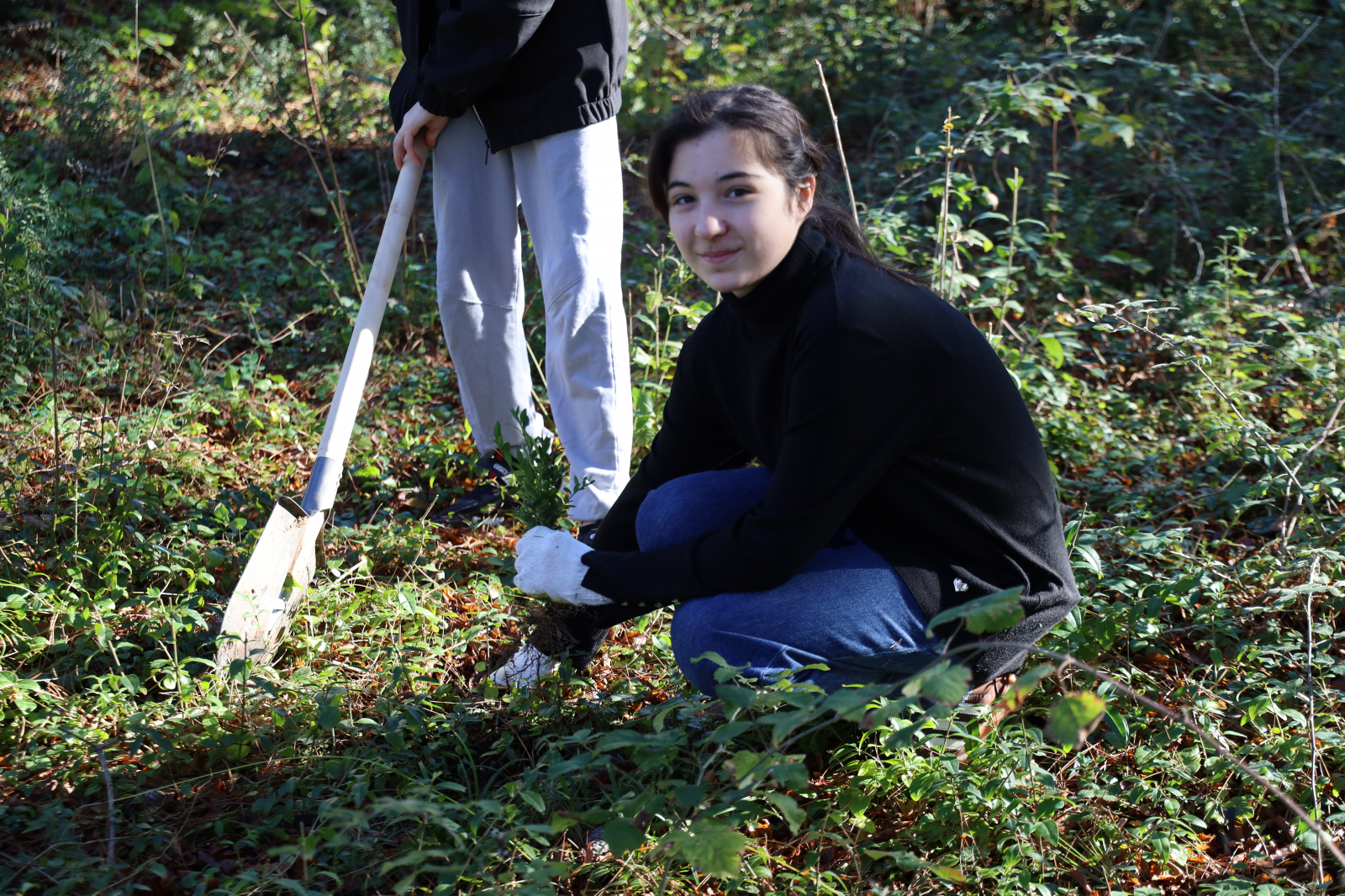
When the seedlings are ready for planting, a new stage begins - their adaptation to the natural environment.
"The seedlings planted today are already quite large - about 20 cm long, 4-5 years old. One could say we've planted them in their natural habitat. We'll keep an eye on them and mark them so they're visible and not damaged. I'd like to thank the organizers for this gesture, as this is a very important event for our reserve," concluded the head of the reserve.
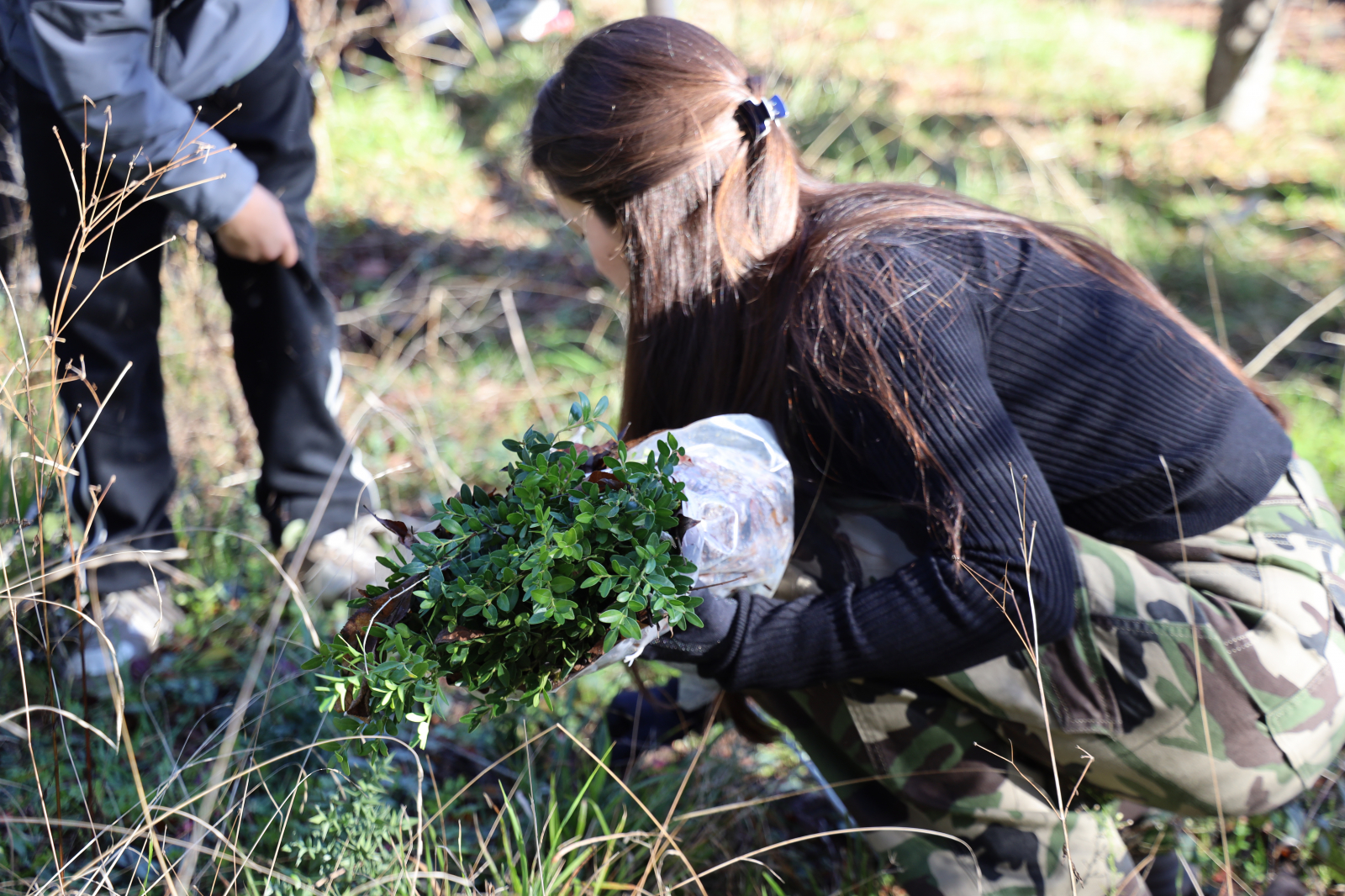
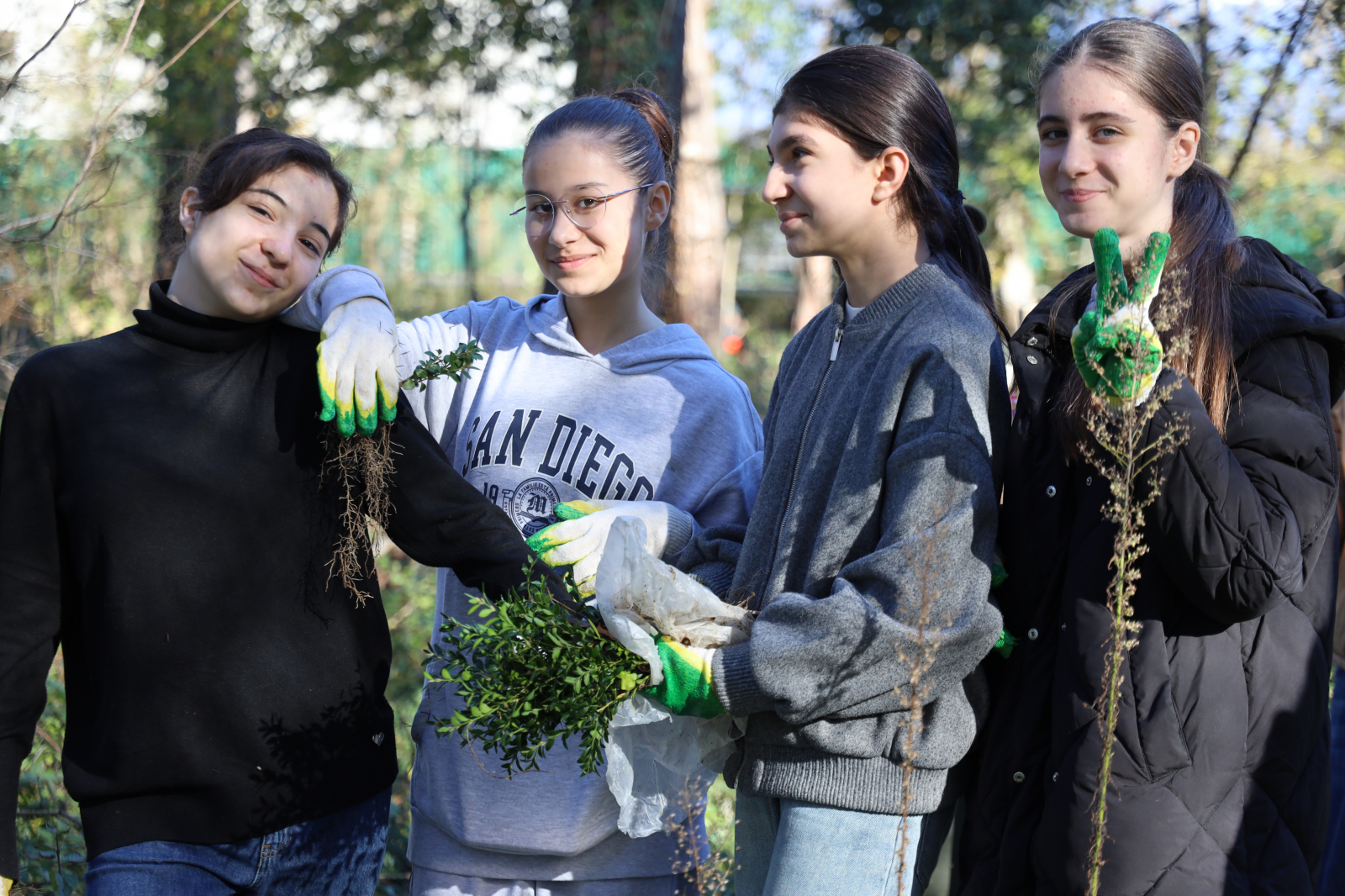
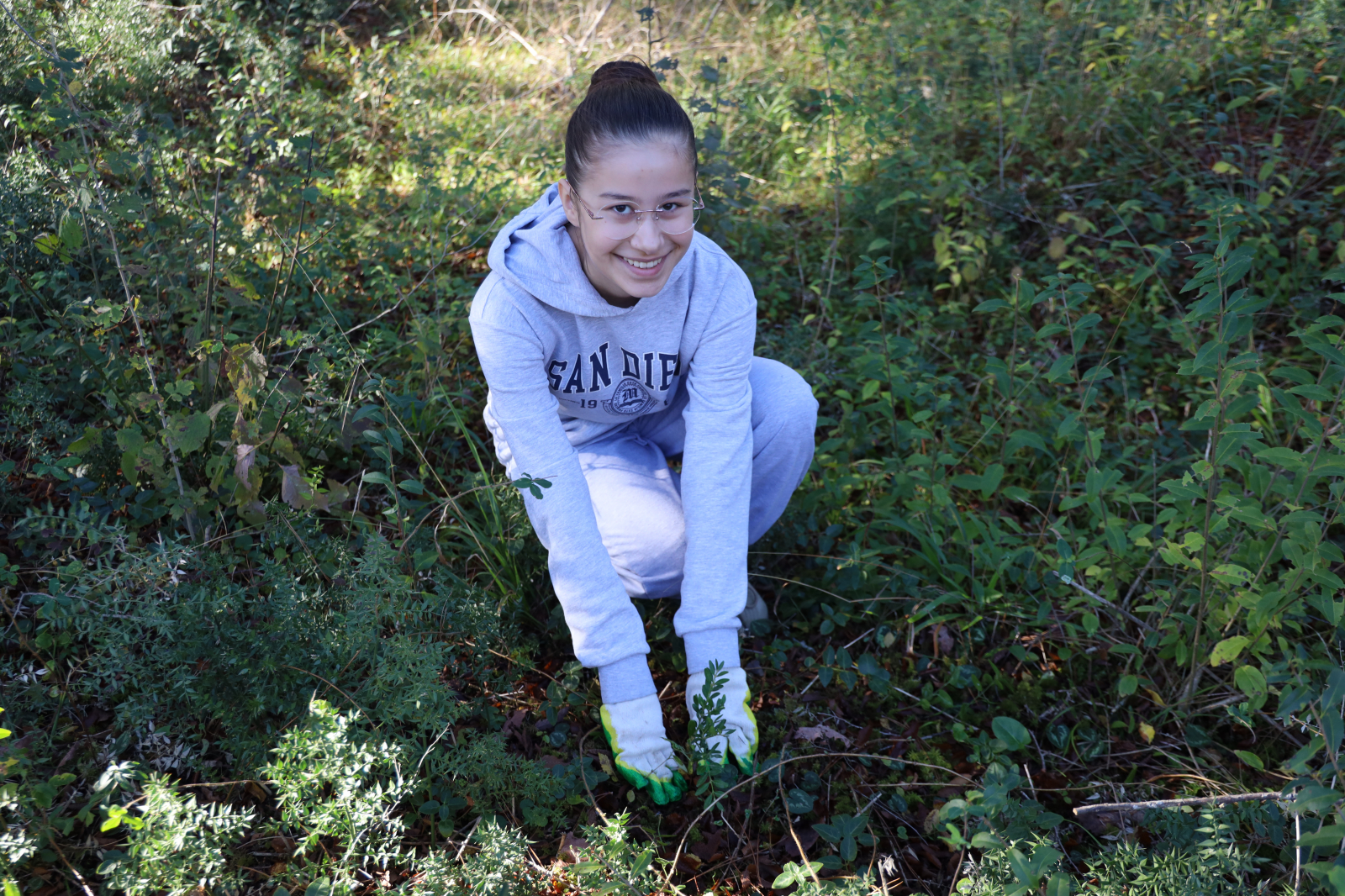
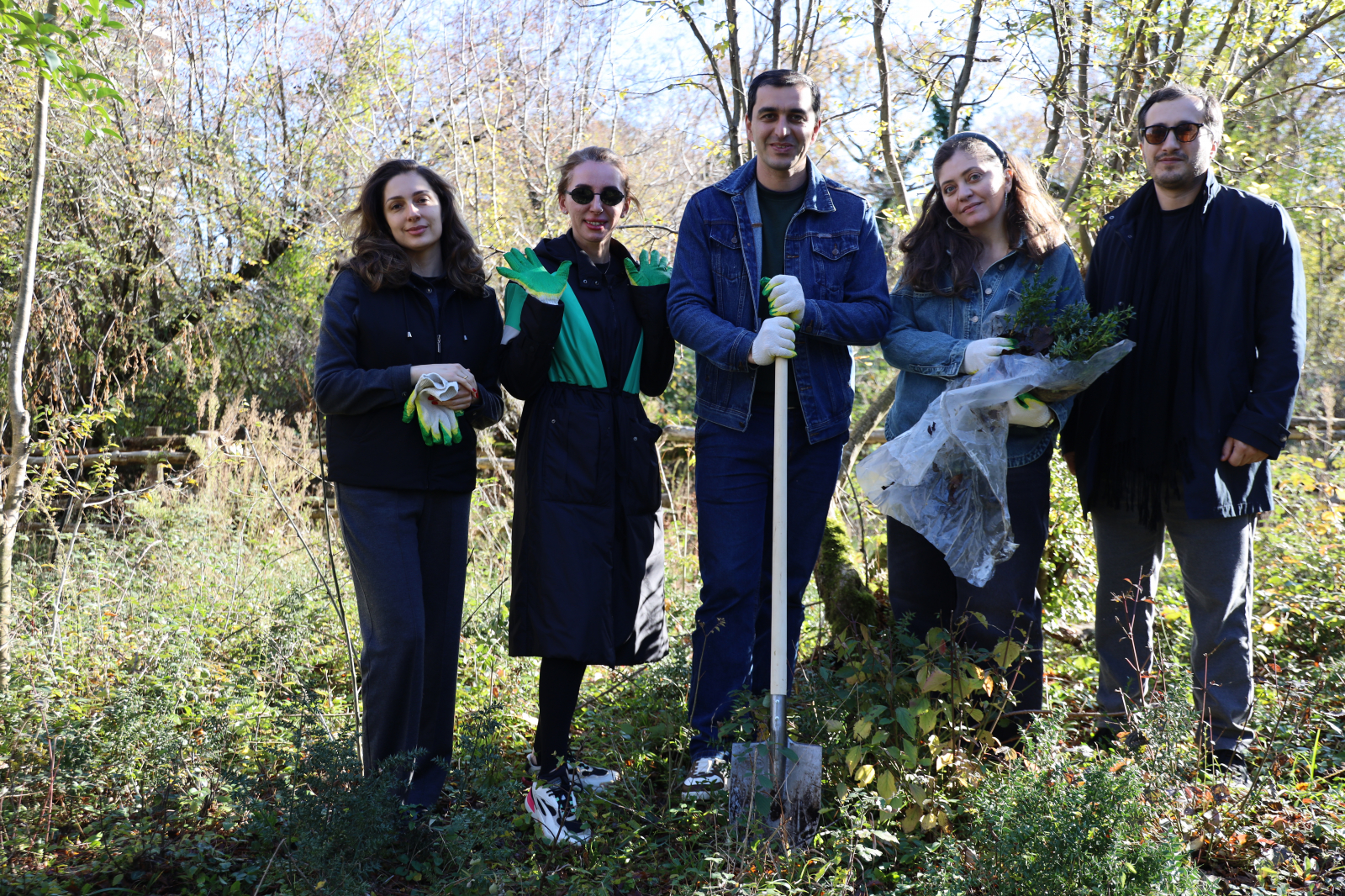
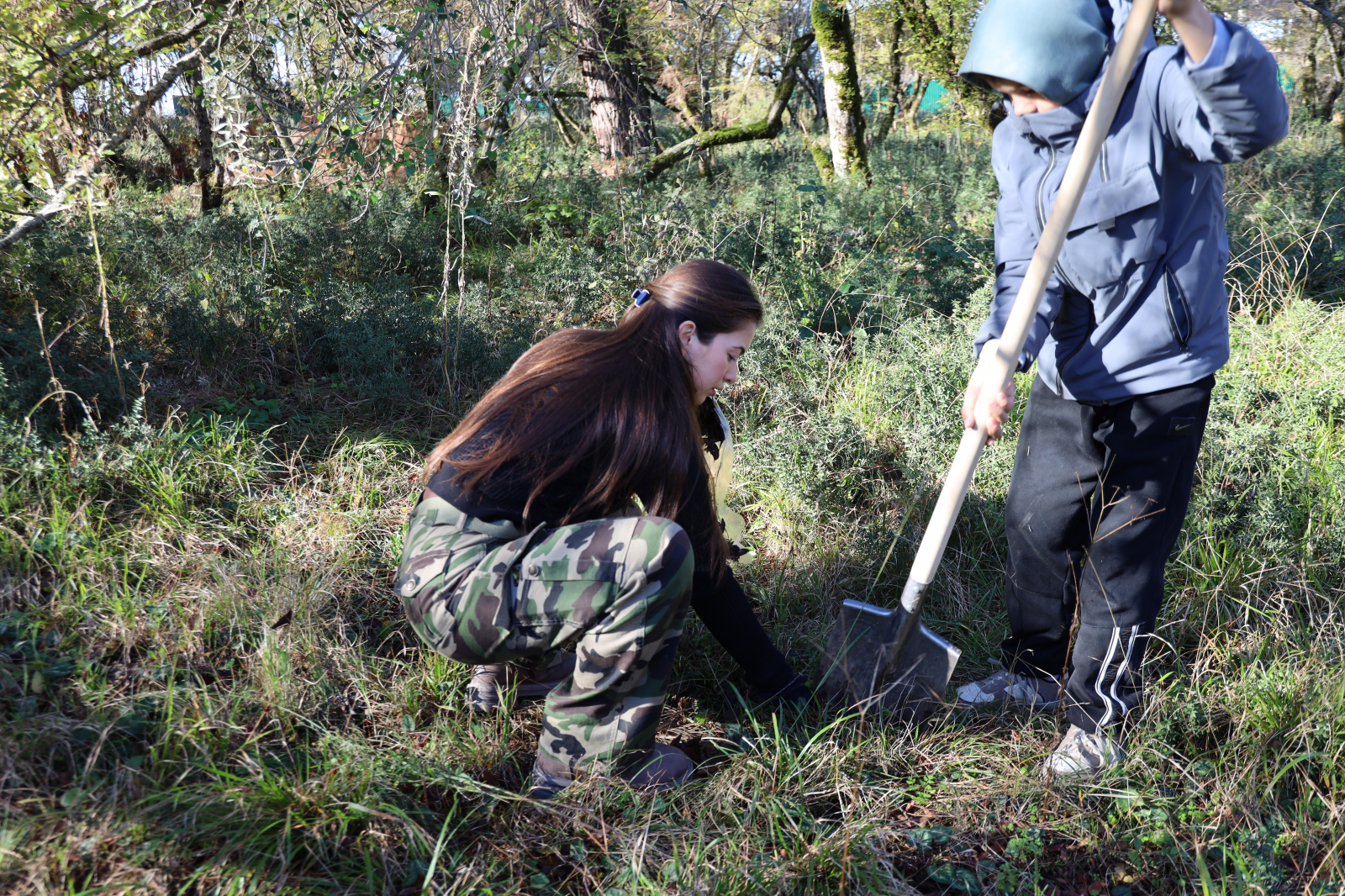
Seventh-graders from V.D. Lakoba Pitsunda Secondary School No. 1, environmental activists and members of the Congress team took part in the planting. Participation in the project was a source of positive emotions and inspiration for the students. The children eagerly shared their impressions and talked about the importance of caring for nature.
"Today I planted my first seedling. I have never planted trees before this day, and I never imagined it could be so interesting. This is my small contribution to the future of Abkhazia. I hope all my classmates feel the same way. After all, it's so important to love and care for our country's nature," noted schoolgirl Yasmina Sergegiia.
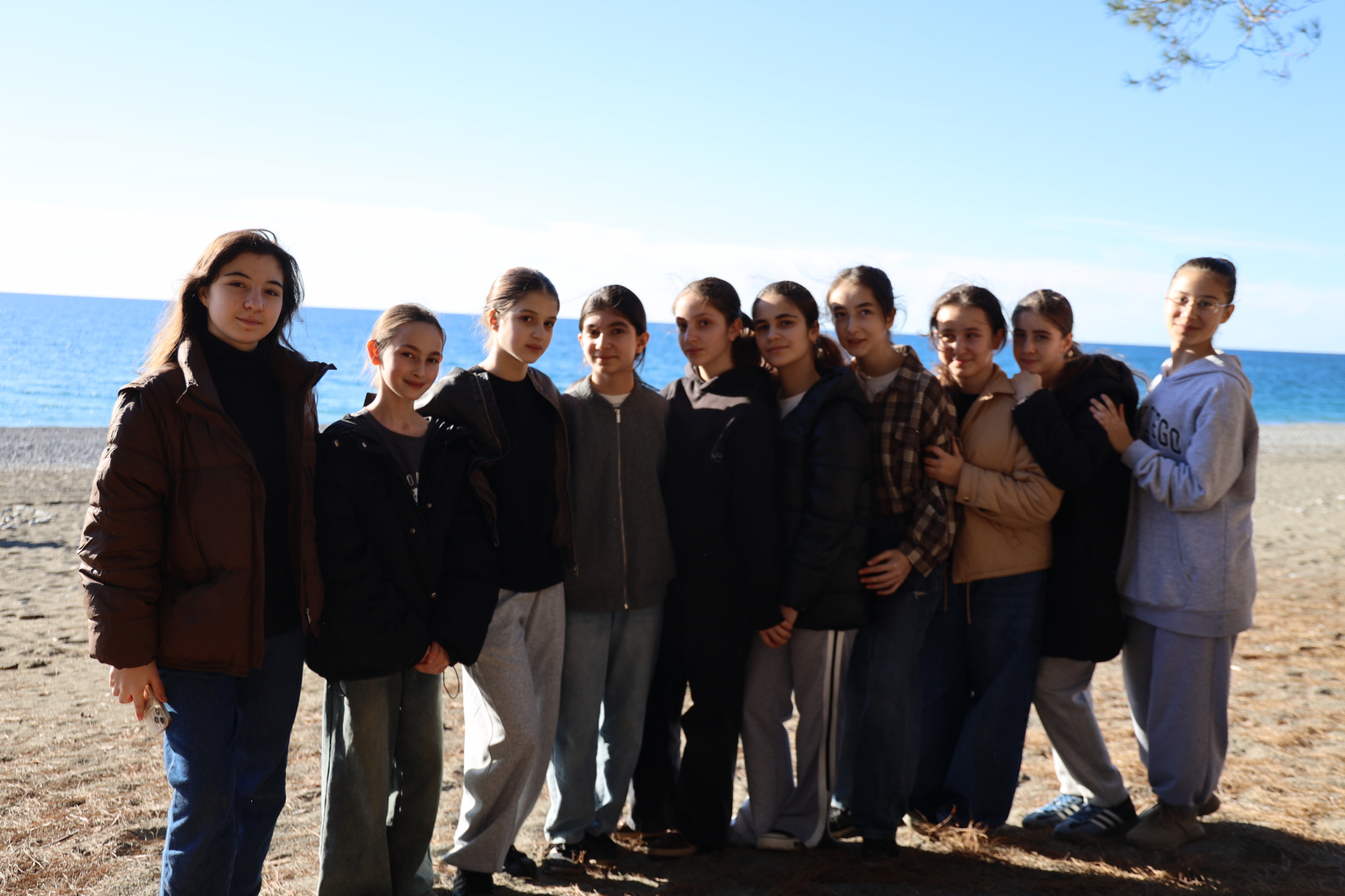
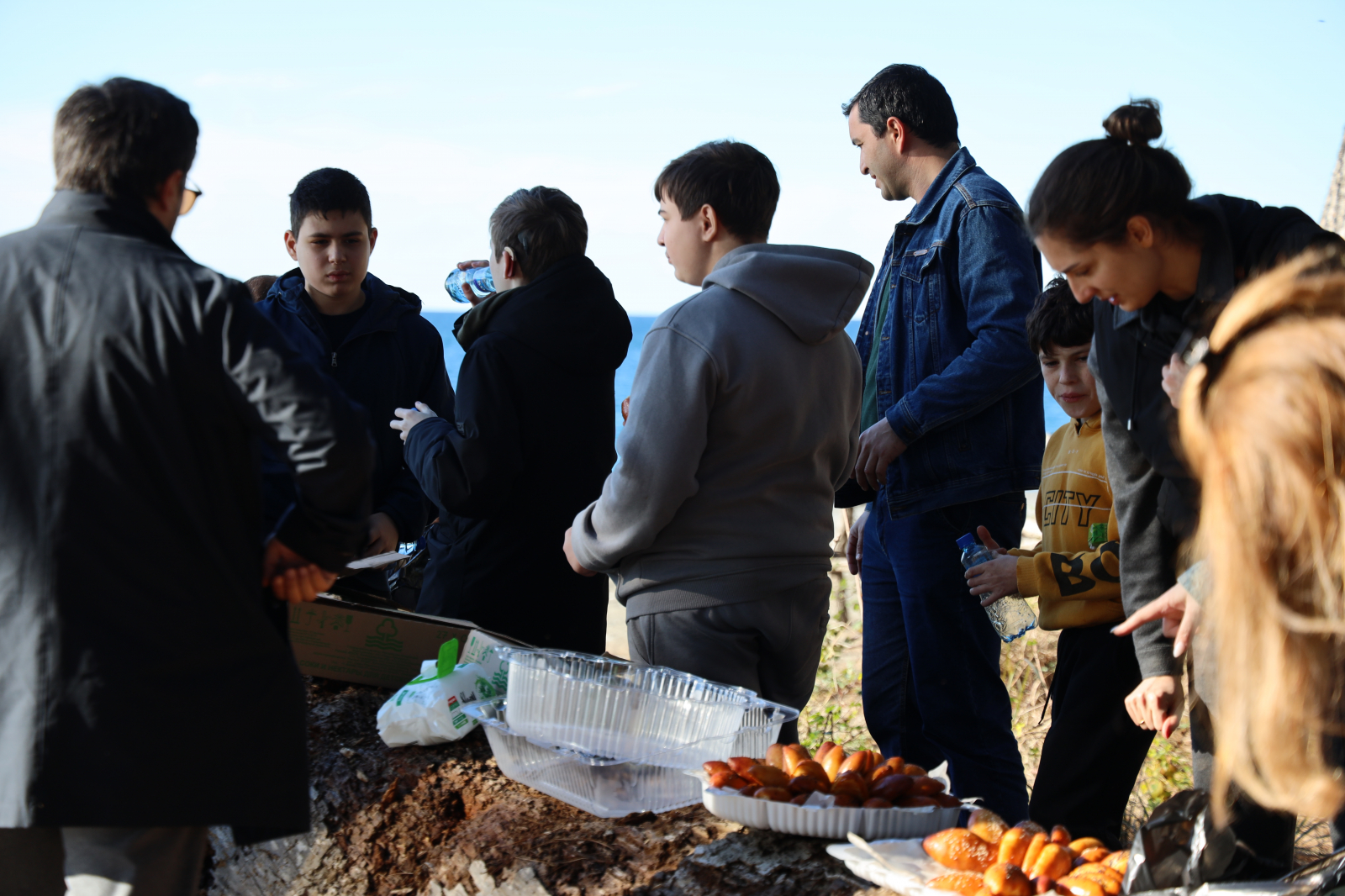
The successful boxwood planting concluded with a delicious meal prepared by the Congress team for all participants.
The WAC environmental project aims to restore the republic's natural ecosystem and preserve its unique endemic species.