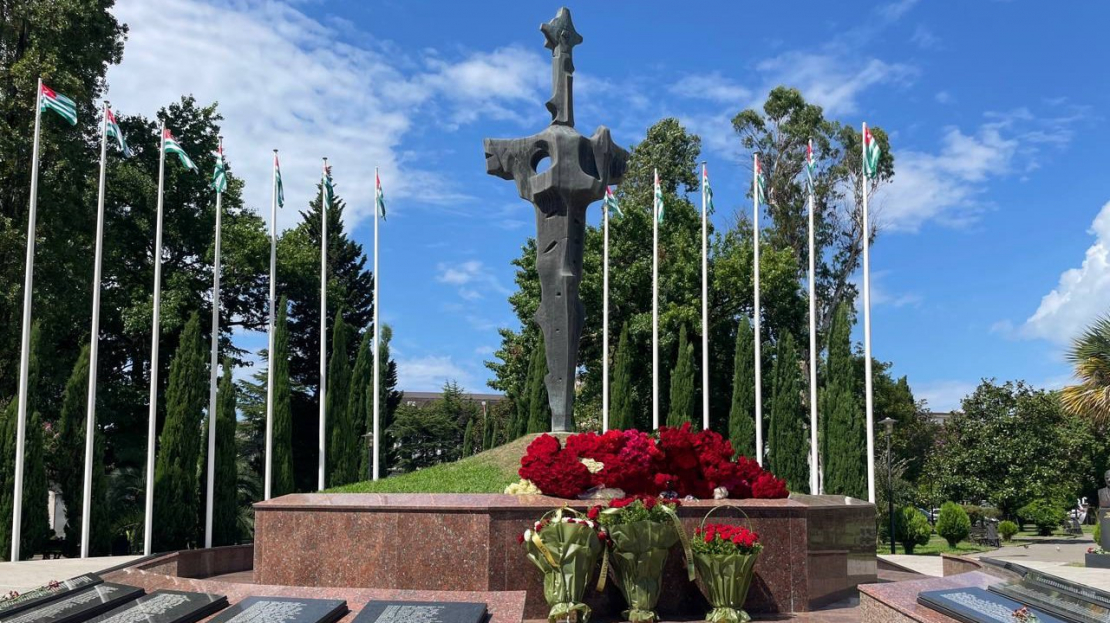
We present to you a film by the AGTRK dedicated to the 20th anniversary of the “Grand Canyon” Development Area. In a conversation with the area's founder, philanthropist, and Chairman of the Supreme Council of the WAC, Mussa Ekzekov, we will trace the project's journey from its first steps to becoming a significant cultural and educational center.
Chkhortol School receives Sports Equipment
As part of its collaboration with local branches, the World Abaza Congress provided targeted assistance to the Chkhortol School. Students received equipment for physical training and tennis.
A monument to a native of Abkhazia was unveiled in the Leningrad Region
Staff members of the World Abaza Congress took part in the unveiling ceremony of a monument to Tarba Khimtsa Gudzhovich, a WWII hero and second lieutenant of the 3rd Marine Brigade of the Baltic Fleet, a native of Abkhazia.
The event took place on May 25 in the courtyard of a school in the village of Michurinskoye in the Priozersk District of the Leningrad Region. The honor of unveiling the monument was given to the head of the district administration, Aleksandr Soklakov, and Tengiz Tarba, a representative of the Tarba family.
The ceremony's guests of honor included the hero's family and friends, Oleg Bartsits, Minister of Foreign Affairs of the Republic of Abkhazia, as well as representatives of the Abkhazian community and the "Apsny" cultural and educational society.
During the event, students from the Michurinsk School recited poems dedicated to the memory of war veterans. The gathered people then laid flowers at the foot of the monument - a sign of respect for the hero's heroic deed. After the official ceremony, the school principal gave the guests a tour of the school, including a visit to the museum and classrooms.
Development through Culture: Mussa Ekzekov at the St. Petersburg Ethnoforum
From May 20 to 22, the St. Petersburg Ethnoforum, a major scientific and practical event dedicated to the Year of Unity of the Peoples of the Russian Federation, was held in Russia's northern capital.
The Ethnoforum was organized by the Peter the Great Museum of Anthropology and Ethnography (Kunstkamera) of the Russian Academy of Sciences and the St. Petersburg Branch of the Russian Academy of Sciences.
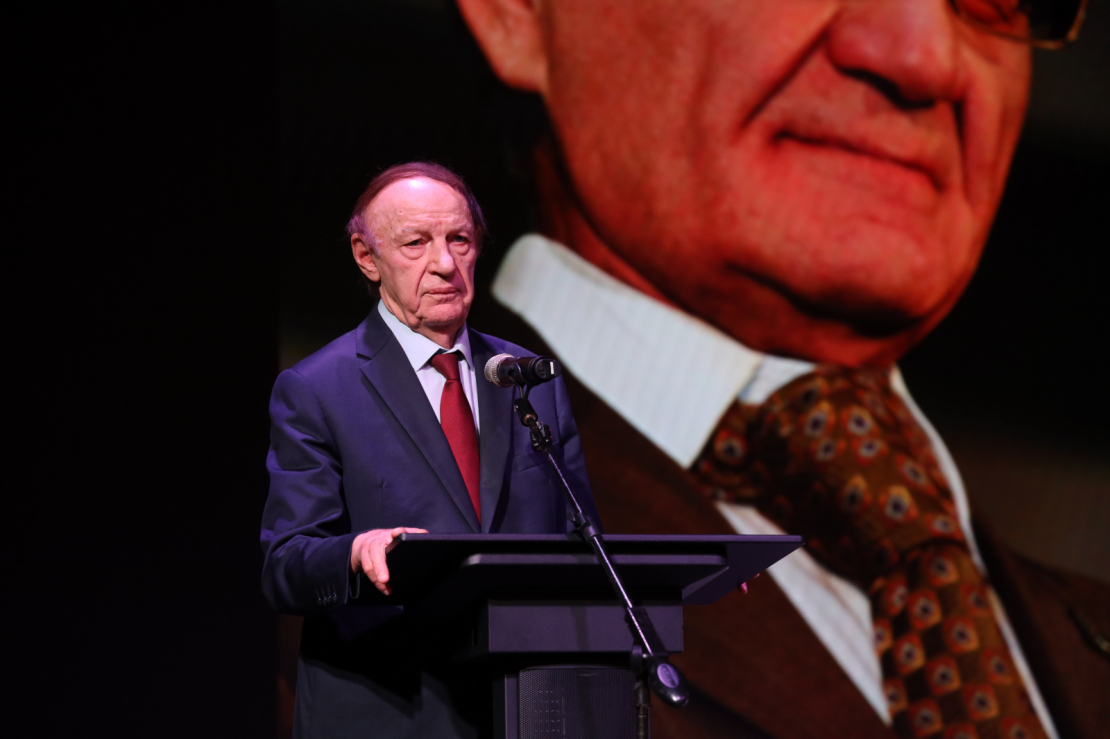
Particular attention was drawn to the speech by Mussa Ekzekov, philanthropist, Chairman of the Supreme Council of the WAC, and President of the "Alashara" Association, who shared his experience of implementing ethnoprojects in remote communities.
"It was a great honor for me to share the experience of the team working on the preservation and development of the Abaza people. The participants demonstrated through their own example that culture is a living force that helps people grow, unites them, and changes their attitudes toward family, their native village, their people and country," noted Mussa Ekzekov.
In his speech, he described how ethnic projects can become a genuine tool for territorial development - when residents themselves participate in creating programs, propose ideas, and take responsibility for the results, they develop a sense of ownership.
Information was presented on the results of "Alashara's" work in Karachay-Cherkessia - sports, educational, cultural, youth, and language projects implemented. It was emphasized that behind all the figures and events lies the most important thing - people who believed in themselves and became active participants in a common cause.
"I am confident that our method is applicable in any part of Russia, in any territory. We are demonstrating this in St. Petersburg, realizing cultural and social projects in the Grand Canyon development area. This method has been successfully implemented for many years by the World Abaza Congress," Musa Ekzekov emphasized.
Concluding his speech, he thanked the organizers of the St. Petersburg Ethnoforum and personally Academician Andrey Ivanovich Rudskoy, Vice President of the Russian Academy of Sciences, Chairman of the St. Petersburg Branch of the Russian Academy of Sciences, and Andrey Golovnev, Director of the Kunstkamera, Academician of the Russian Academy of Sciences.
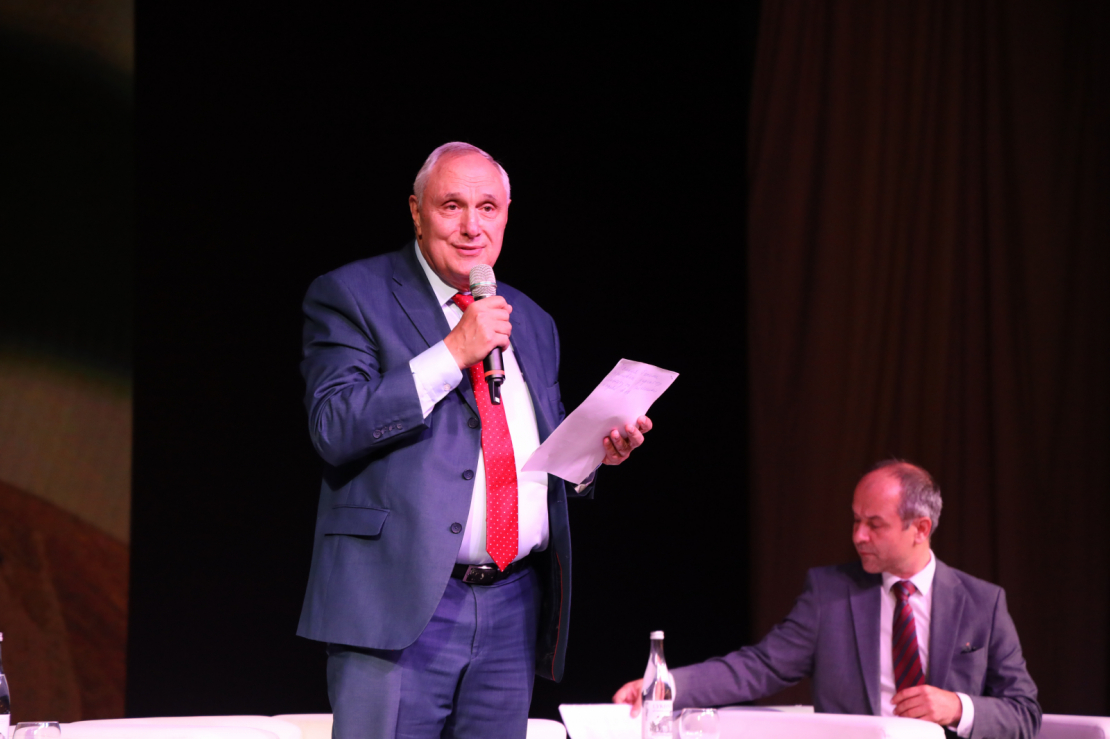
During the forum's opening ceremony, a signing ceremony of a memorandum of understanding "On Cooperation between the St. Petersburg Branch of the Russian Academy of Sciences and the Academy of Sciences of Abkhazia" took place.
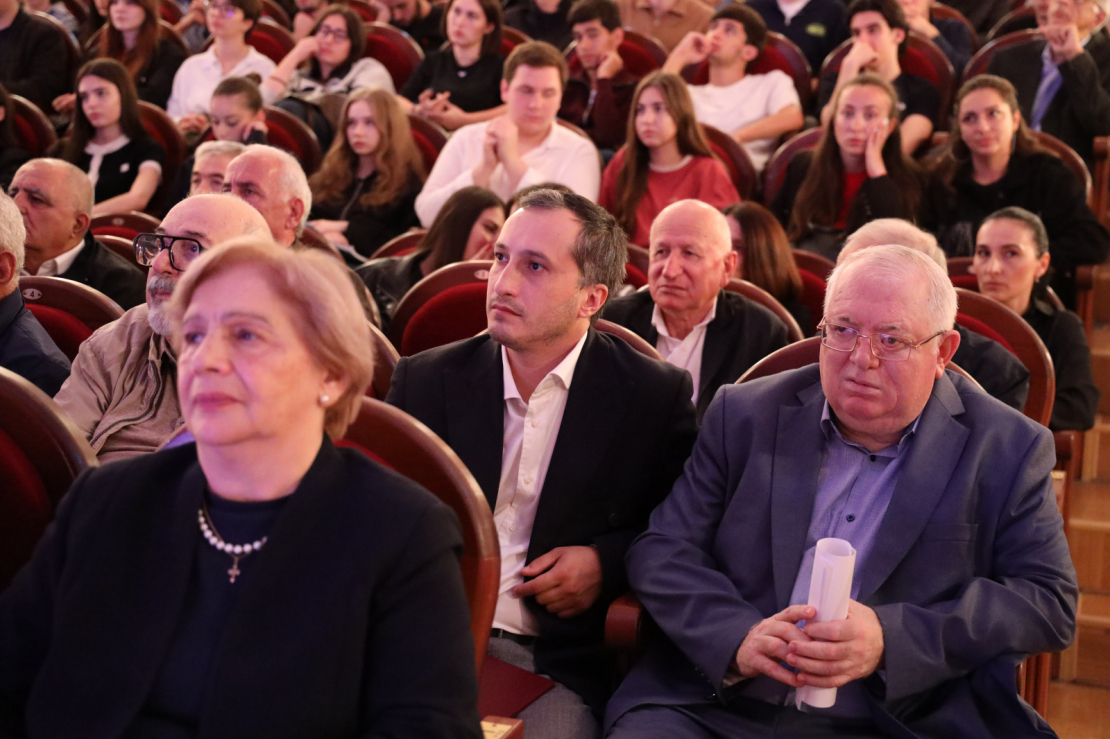
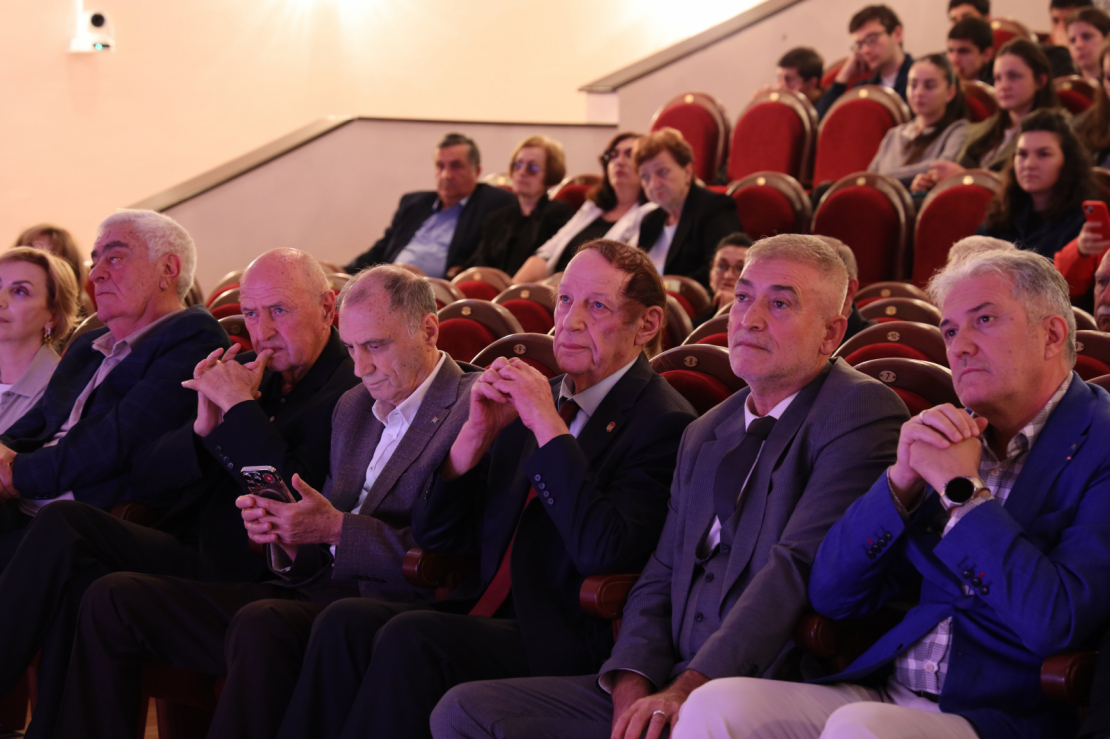
The Ethnoforum attracted a large audience - cultural workers, scholars, politicians, businesspeople, leaders and activists of ethnic communities, artists, and traditional craftsmen. Numerous events were held during the forum, focusing on the most important topics: people, traditions, values, and the future of Russia.