The 100th anniversary seminar "The Caucasus: Crossroads of Cultures" in St. Petersburg was dedicated to the activities of the World Abaza Congress.
On April 13, the 100th anniversary seminar of the scientific series "The Caucasus: Crossroads of Cultures" was held at the Peter the Great Museum of Anthropology and Ethnography of the Russian Academy of Sciences (Kunstkamera). The meeting was dedicated to the activities of the World Abaza Congress.
Head of Kunstkamera, Academician of the Russian Academy of Sciences, Professor Andrey Vladimirovich Golovnev addressed the participants with a welcoming speech. He emphasized that the seminar is a testament to vibrant scientific work, regular professional communication, and a serious discussion about the peoples of the Caucasus. He emphasized that ethnography today is not just a study of peoples, but a chance to hear the peoples’ voices themselves, their sense of themselves, and their perspective on their own history and present day.
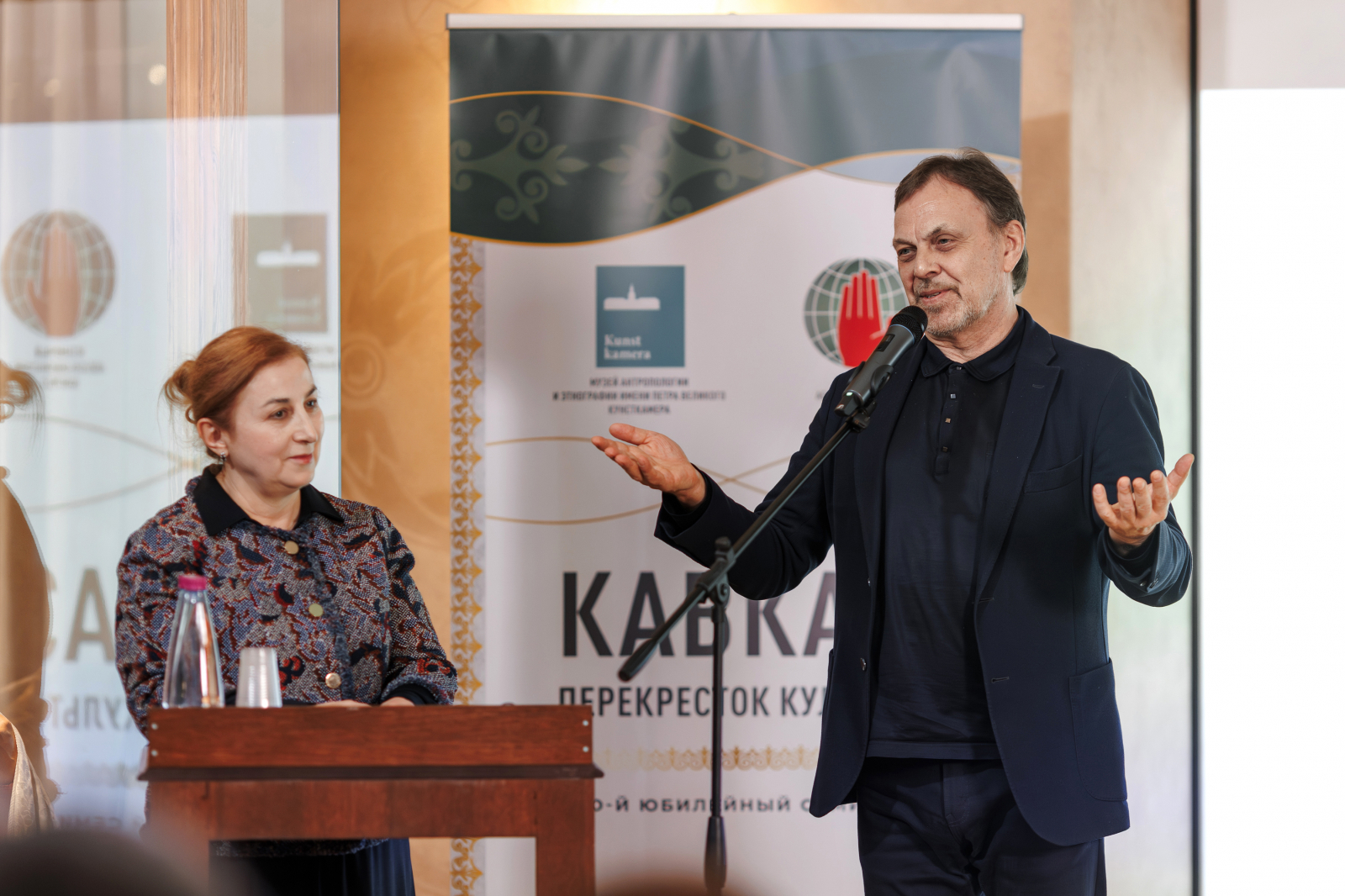
Andrey Golovnev particularly noted the experience of the Abaza as an important and insightful example of ethnostrategy, deserving the most serious attention. He emphasized that this experience is important not only for scientific understanding but also as a practical model for preserving identity, culture, and social development.
In his speech, Mussa Khabalevich Ekzekov, Chairman of the Supreme Council of the World Abaza Congress, noted that holding the 100th anniversary seminar specifically on the WAC's activities is a sign of respect for the extensive joint work to preserve traditions, language, cultural heritage, and strengthen ties between people living both in their historical homeland and far beyond.
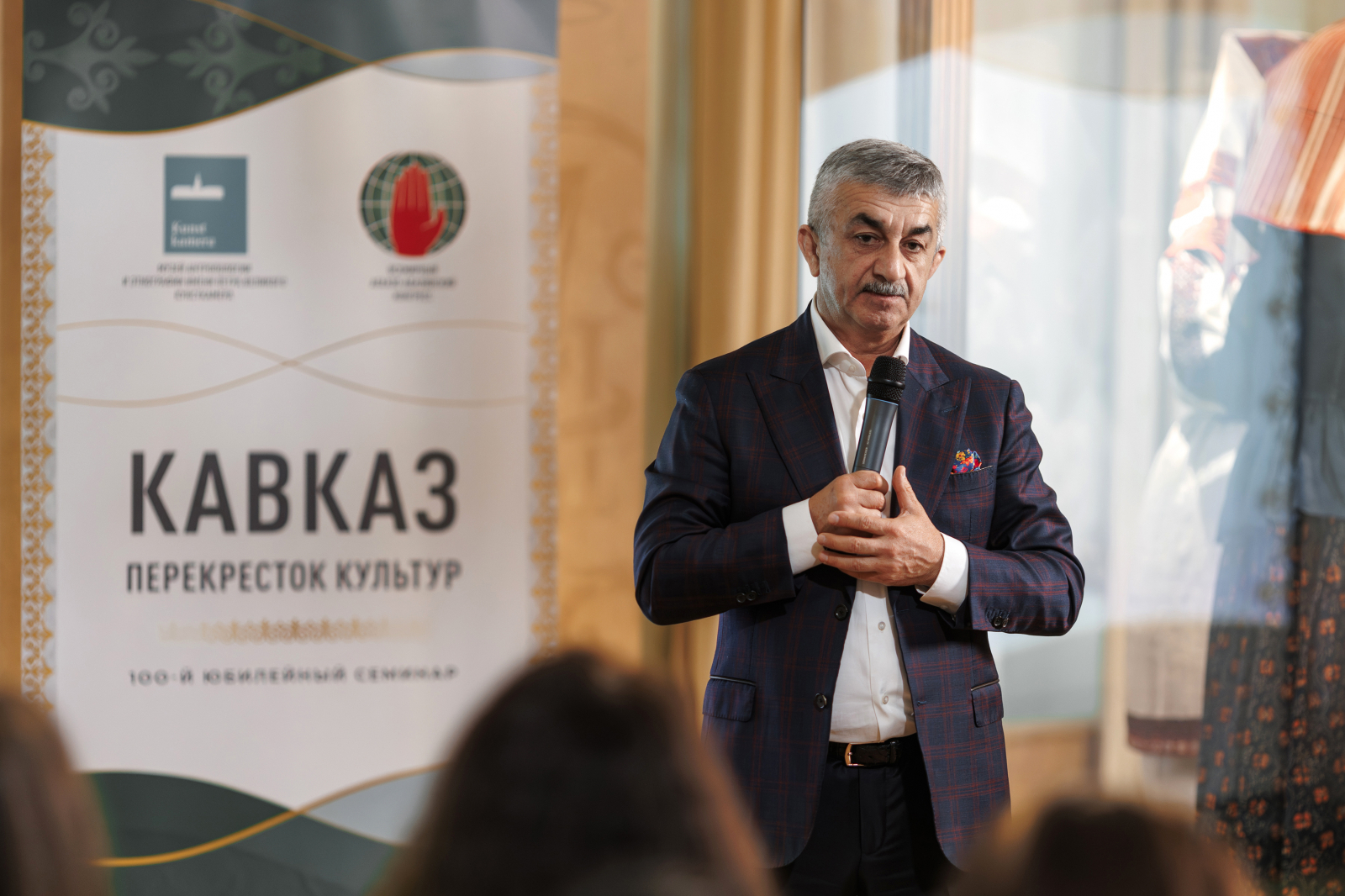
"Today's meeting is of particular significance for the World Abaza Congress and the people of Abaza. We view the very fact that the Congress's activities have become the topic of the 100th anniversary seminar as a sign of respect for our extensive shared work," Mussa Ekzekov emphasized.
He thanked the Kunstkamera staff and Andrey Golovnev personally for their profound and meaningful collaboration. Mussa Ekzekov recalled that the agreement signed in 2021 between the WAC and the MAE RAS has become the basis for systematic joint work, including seminars, roundtables, field research, exhibitions, scientific publications, and other projects. Mussa Khabalevich emphasized that it is fundamentally important for the Congress not only to conduct day-to-day practical work but also to understand its results in a scientific, social, and historical context. This is why collaboration with Russia's leading ethnographic center is of particular value for the WAC.
In his speech, Mussa Ekzekov also discussed the current activities of the Congress.
"Today, the WAC is a large system of vibrant, daily work, uniting compatriots around the world. The Congress addresses issues of culture, education, sports, youth policy, social support, and interaction with the Diaspora. Over the past year alone, the Congress team has implemented dozens of projects, covering all regions of Abkhazia and thousands of residents of the republic. The Congress is actively involved in strengthening the partnership between Russia and Abkhazia and the friendship between the fraternal peoples of the two countries", -Mussa Ekzekov emphasized.
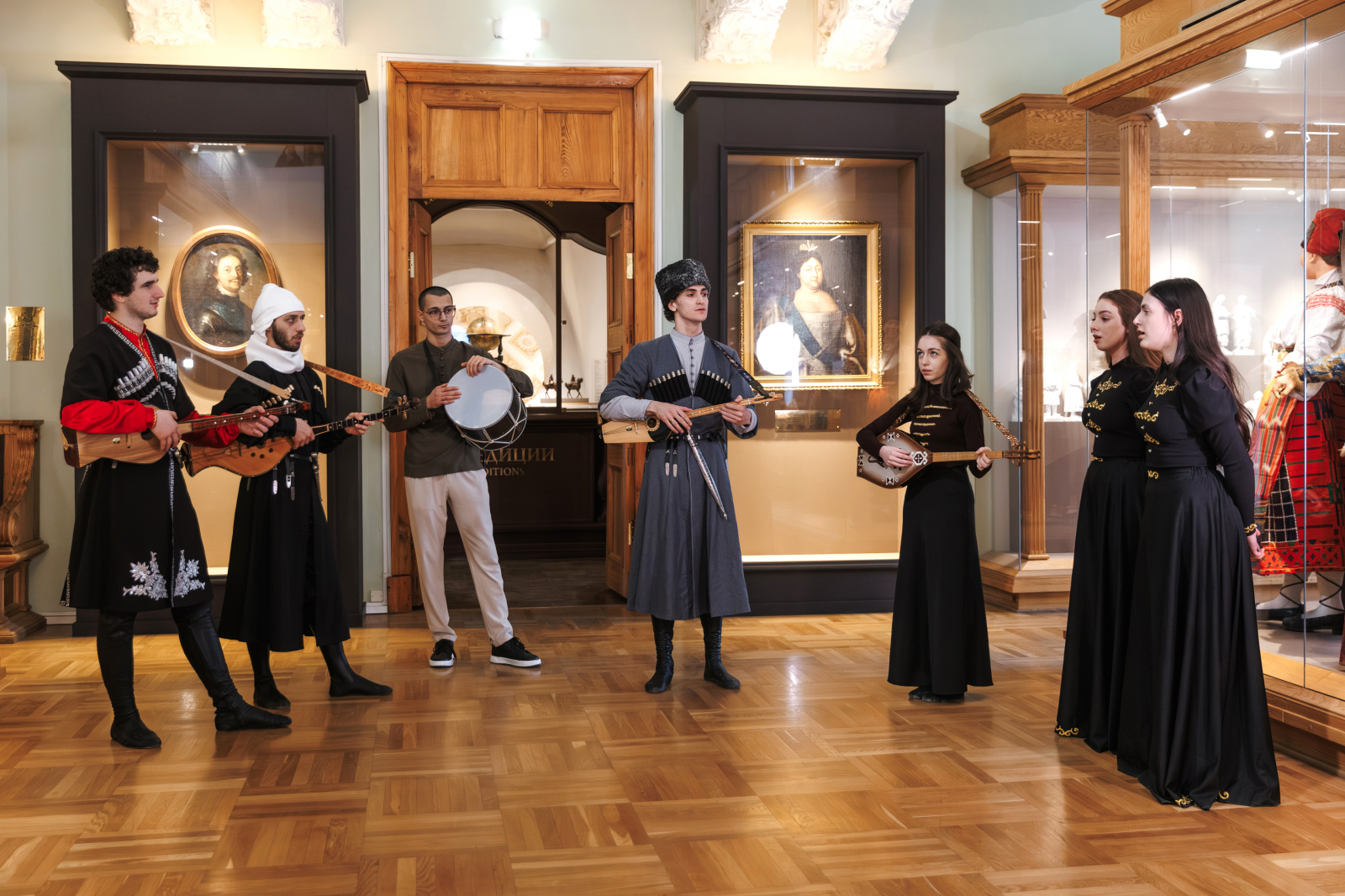
Following the welcoming remarks, the seminar's scientific and practical program took place.
Abzagu Tsvizhba, Chief of Staff of the Chairman of the WAC Supreme Council, presented the history of the Congress and outlined its development in figures. The report noted that, over the past 33 years, the World Abaza Congress has evolved from its first convention during a challenging historical period to a large international organization with a wide network of representative offices and a comprehensive program of activities.
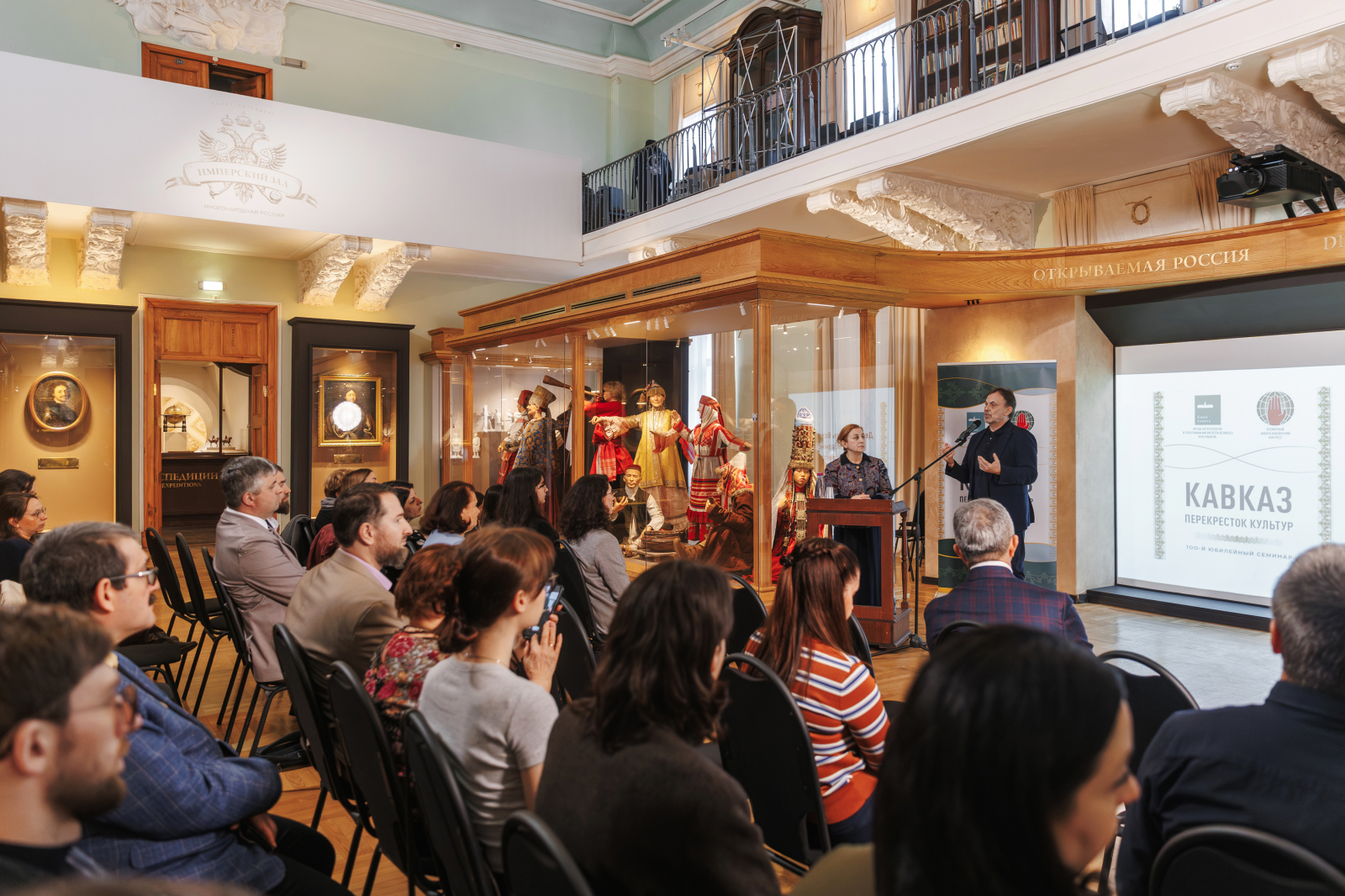
Temur Rekvava, head of the Sukhum office of the World Abaza Congress, presented the key objectives and projects of the Congress.
He detailed the cultural, educational, youth, social, and sports initiatives being implemented in Abkhazia, as well as the systematic work to preserve intangible cultural heritage, support schoolchildren, develop sports, career guidance, and interact with government agencies.
Murat Gedugov, head of the Cherkessk branch of the international association "Alashara," spoke about the organization's activities in the Karachay-Cherkess Republic. His speech placed particular emphasis on the systematic work to preserve the language, develop culture, support youth, strengthen civic engagement, and implement a long-term development program for the Abaza people.
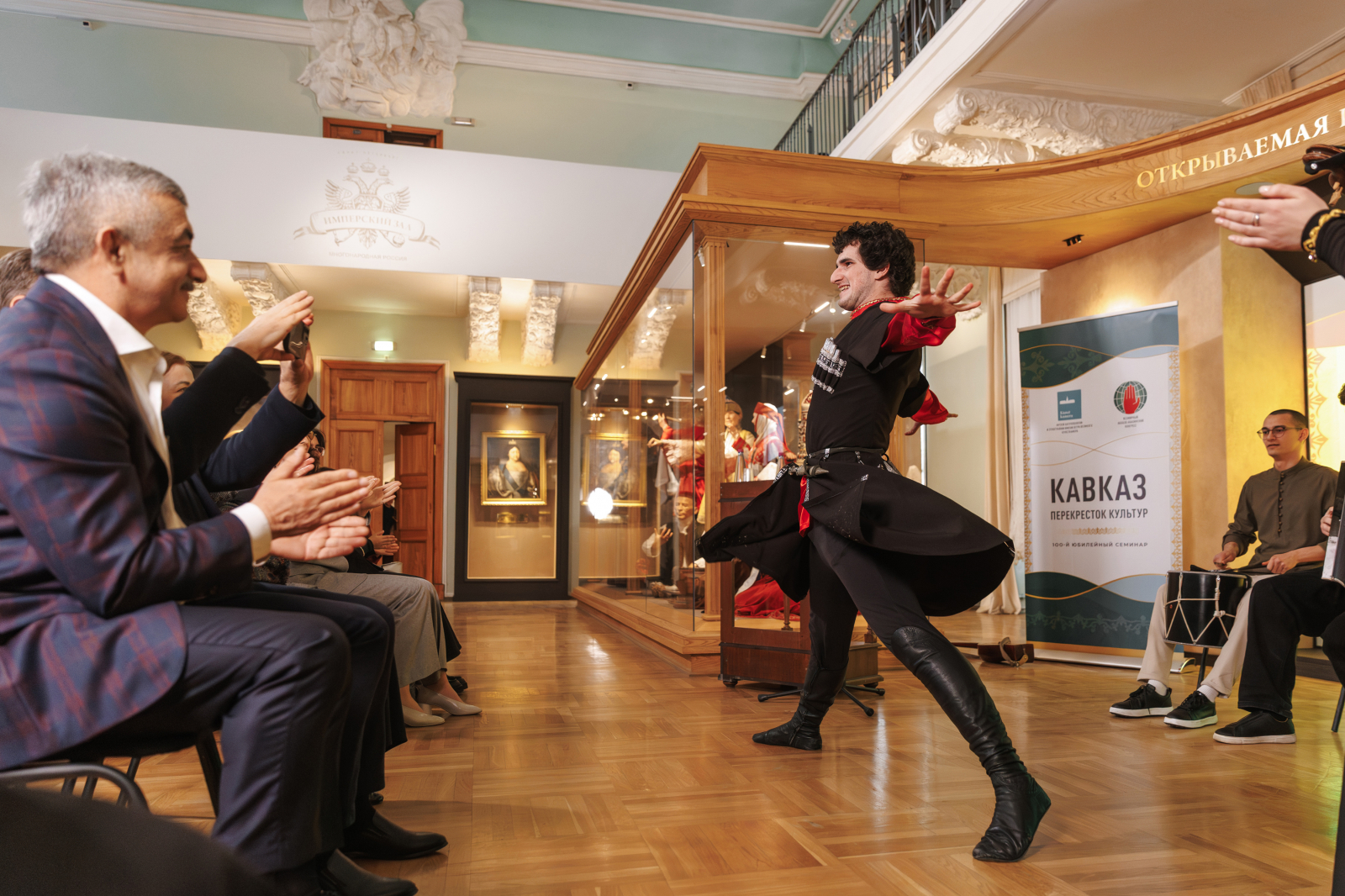
The seminar concluded with a free discussion and exchange of opinions. Participants emphasized that the activities of the World Abaza Congress are an example of how public initiative, systematic work, and partnership with the scientific community can produce tangible results in preservation of the nation, its language, culture, and historical memory.