Students from the villages of Dzhirkhua and Khuap took part in the pilot trip. A guided tour of the fortress was organized for them, combining theory with living history.
The WAC Department of local branches, together with the Department of youth policy and physical culture, has launched a series of educational lectures for schoolchildren at the "Sukhum Fortress" State Historical and Cultural Museum-Reserve.
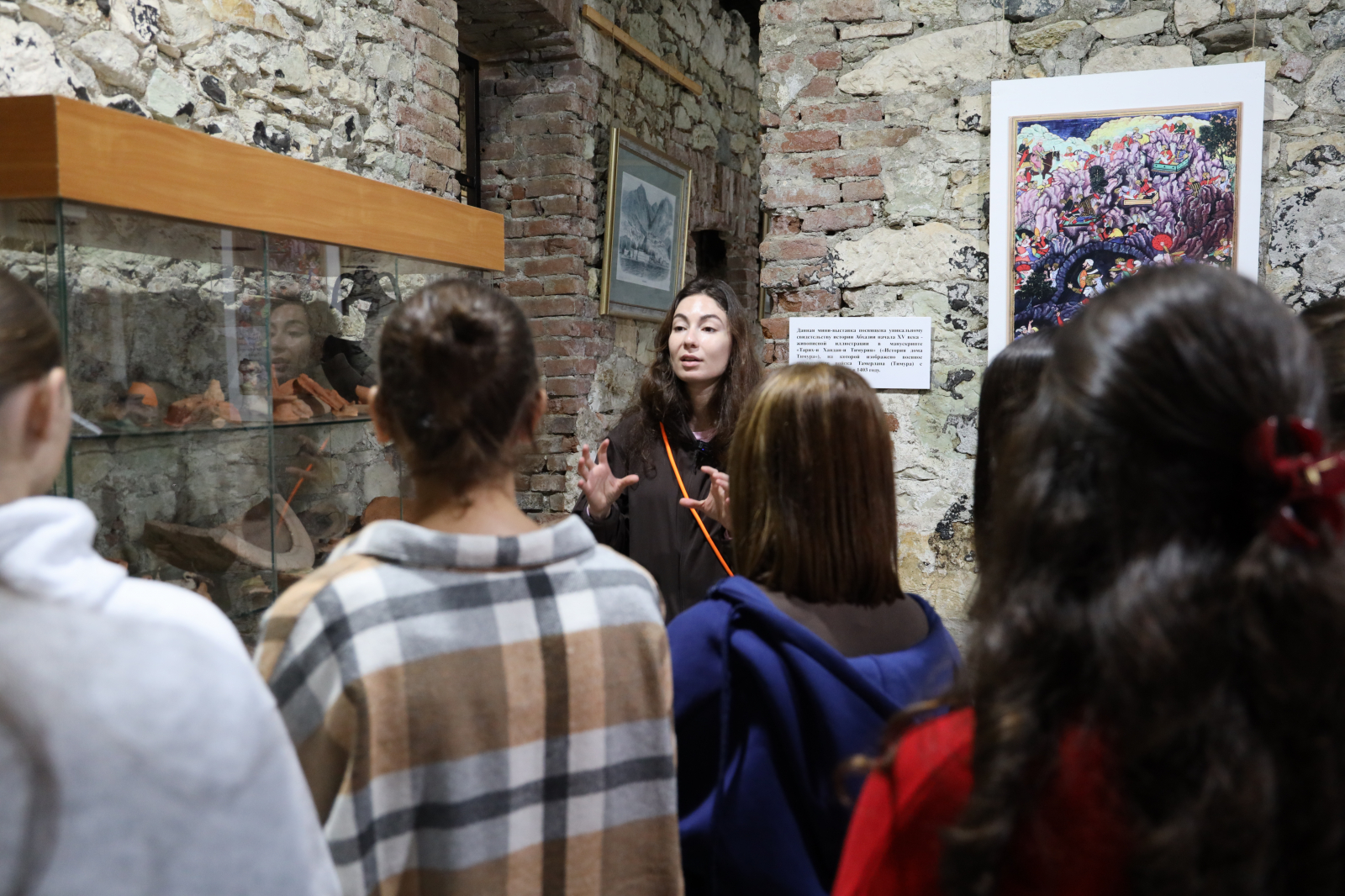
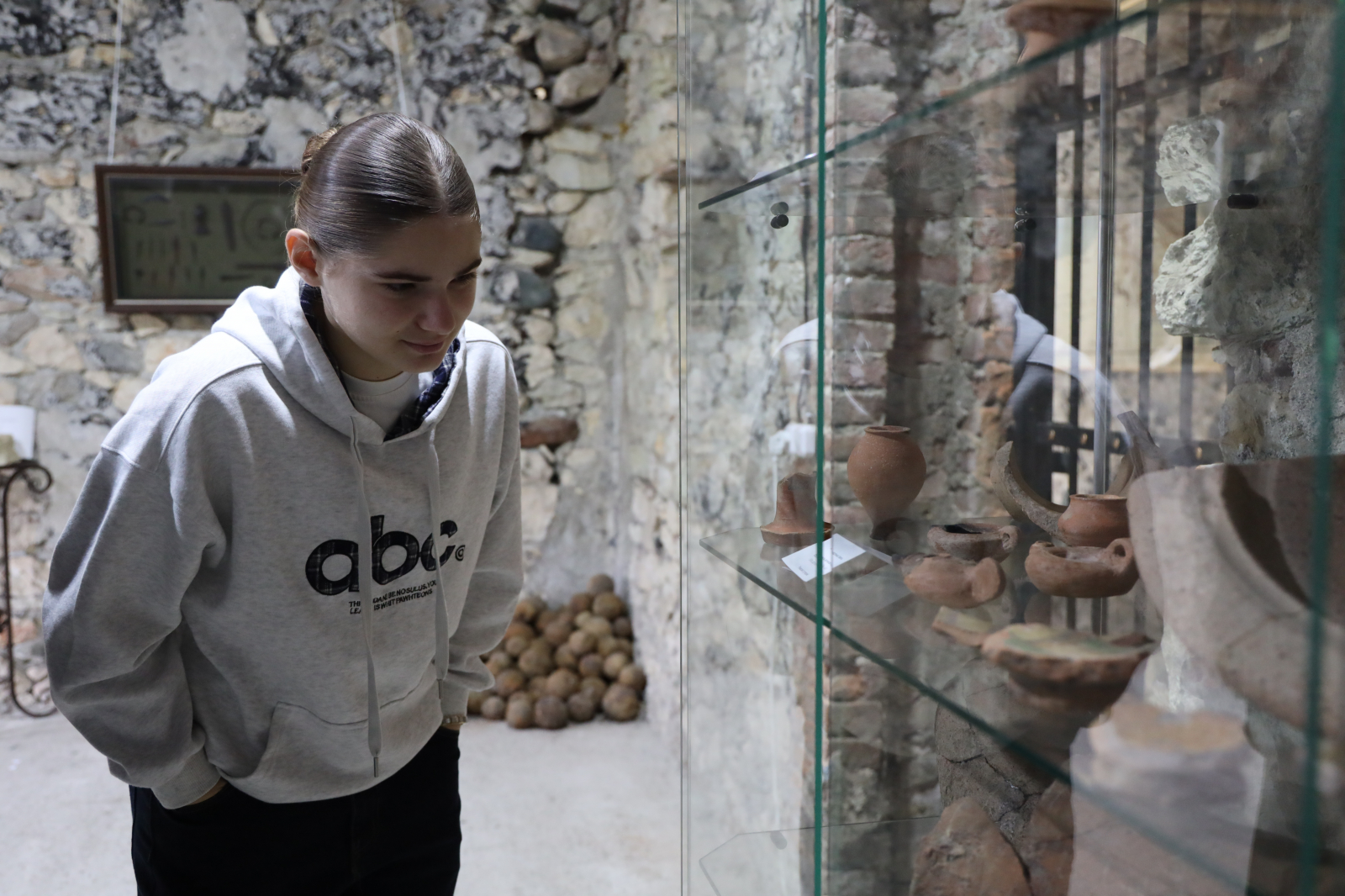
As part of the tour, the students explored the museum-reserve’s unique exhibition, which features rare artifacts from the classical period and other eras of Abkhazia’s ancient history.
Kherson Simoniia, a WAC specialist for work with local branches, explained the inspiration behind this educational project:
"The idea came right after large-scale excavations began at the site of ancient Dioscuria. Our primary goal is to engage young people, show them the process from the inside, and give them the chance to see unique artifacts with their own eyes. We want to go beyond simply recounting the history of this ancient city; we want to inspire students to delve deeper into the chronicles of our homeland. Perhaps, thanks to these lectures, some of them will decide to pursue a career in archaeology or history," he shared.
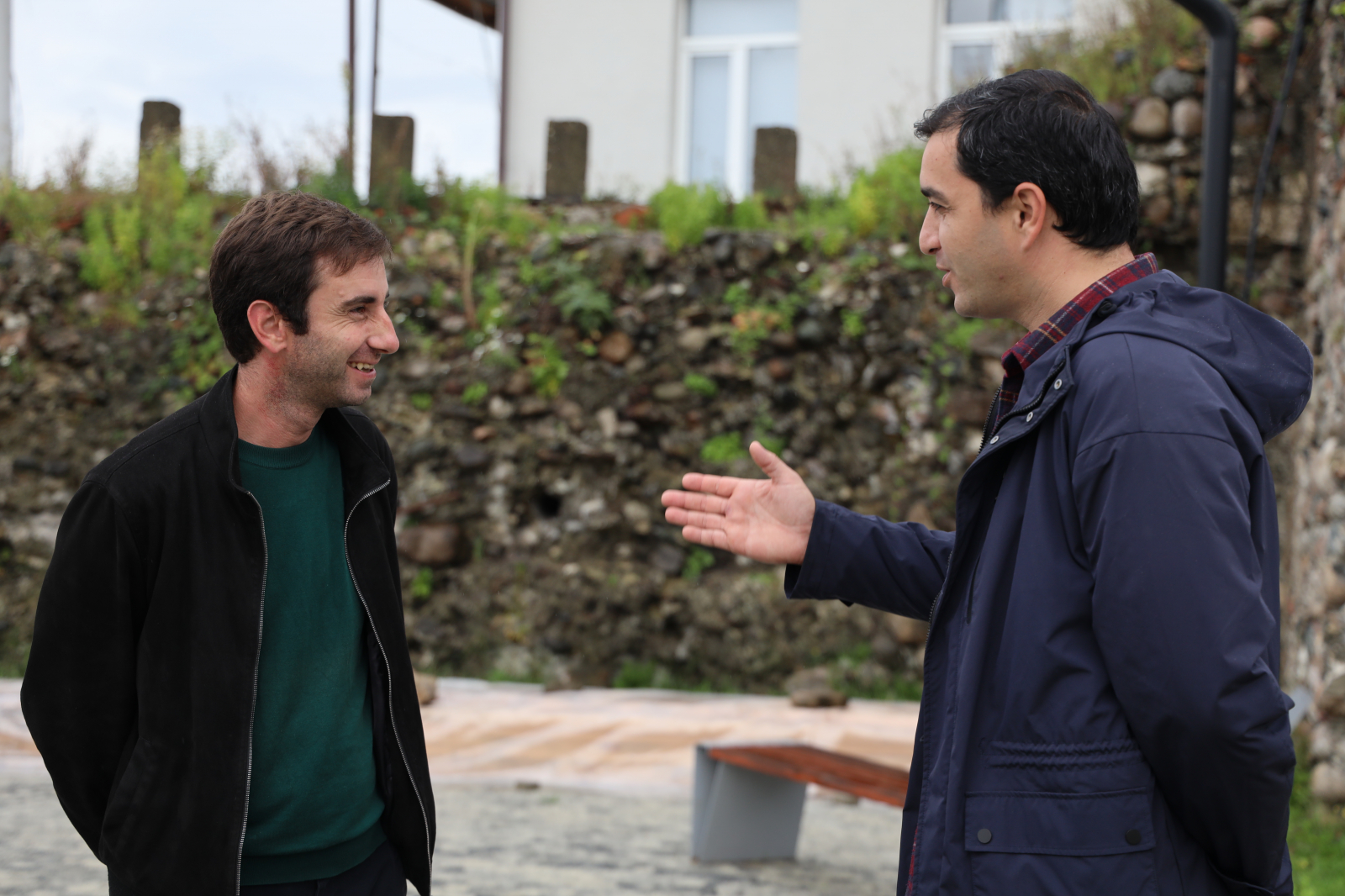
The students also could see the ancient fortress walls, a bastion, and artillery cannons. Notably, many of the exhibits—including 19th-century cannons—were discovered during recent archaeological excavations.
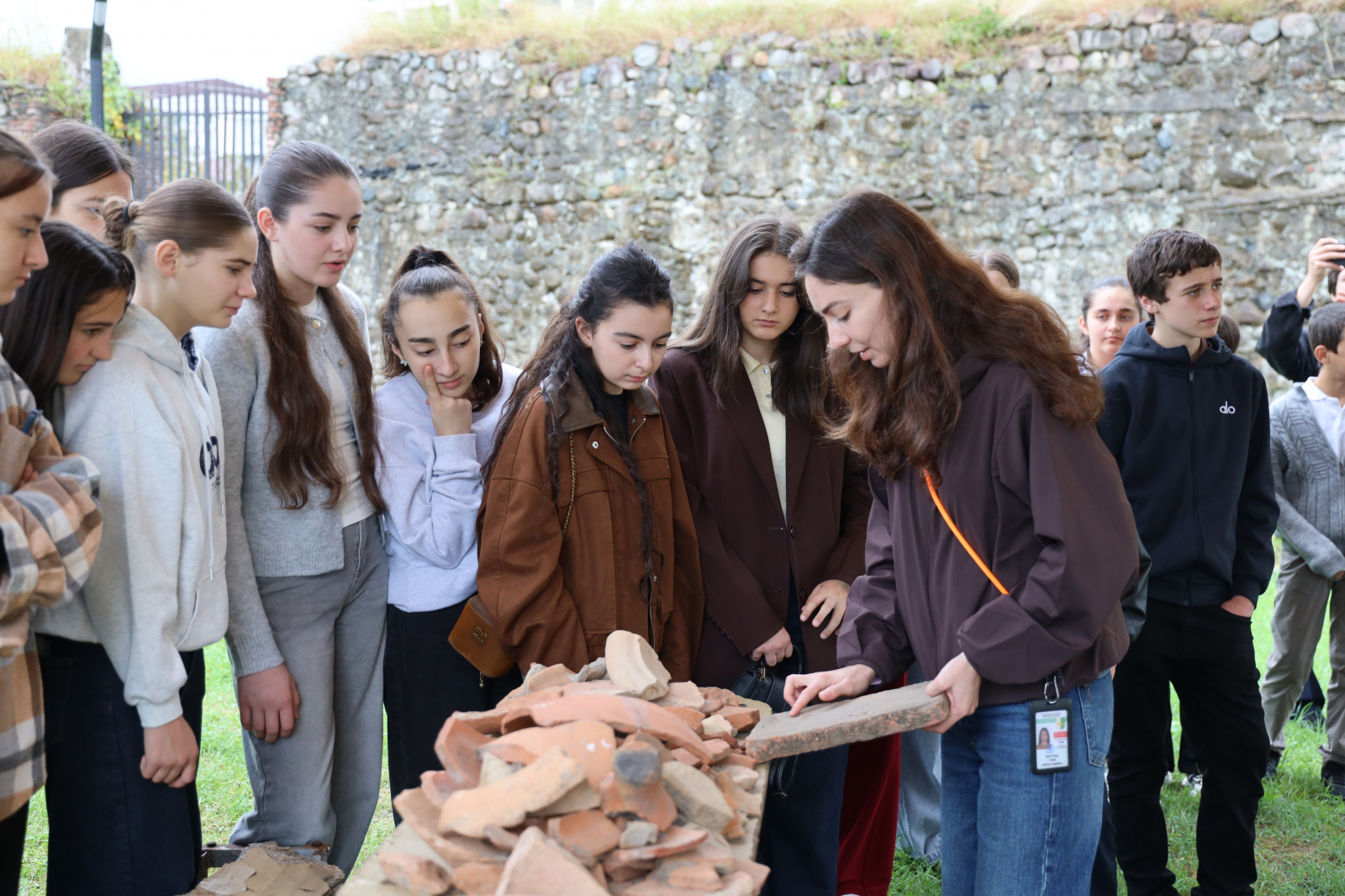
Gera Khintuba, a staff member at the museum-reserve, guided the students through the site. She emphasized that engaging with the youth is a core aspect of their work, offering them a chance to literally touch the past.
"We are always genuinely happy to welcome young guests who come to us from all over Abkhazia. We always make time for them, as my colleagues and I consider this a vital part of the educational process. It is one thing to study history from school textbooks, but quite another to visit the sites where actual historical events took place and to see artifacts from those eras with one’s own eyes. The opportunity to introduce children to authentic heritage firsthand is invaluable. That is precisely why organizing excursions for the younger generation remains our top priority," she added.
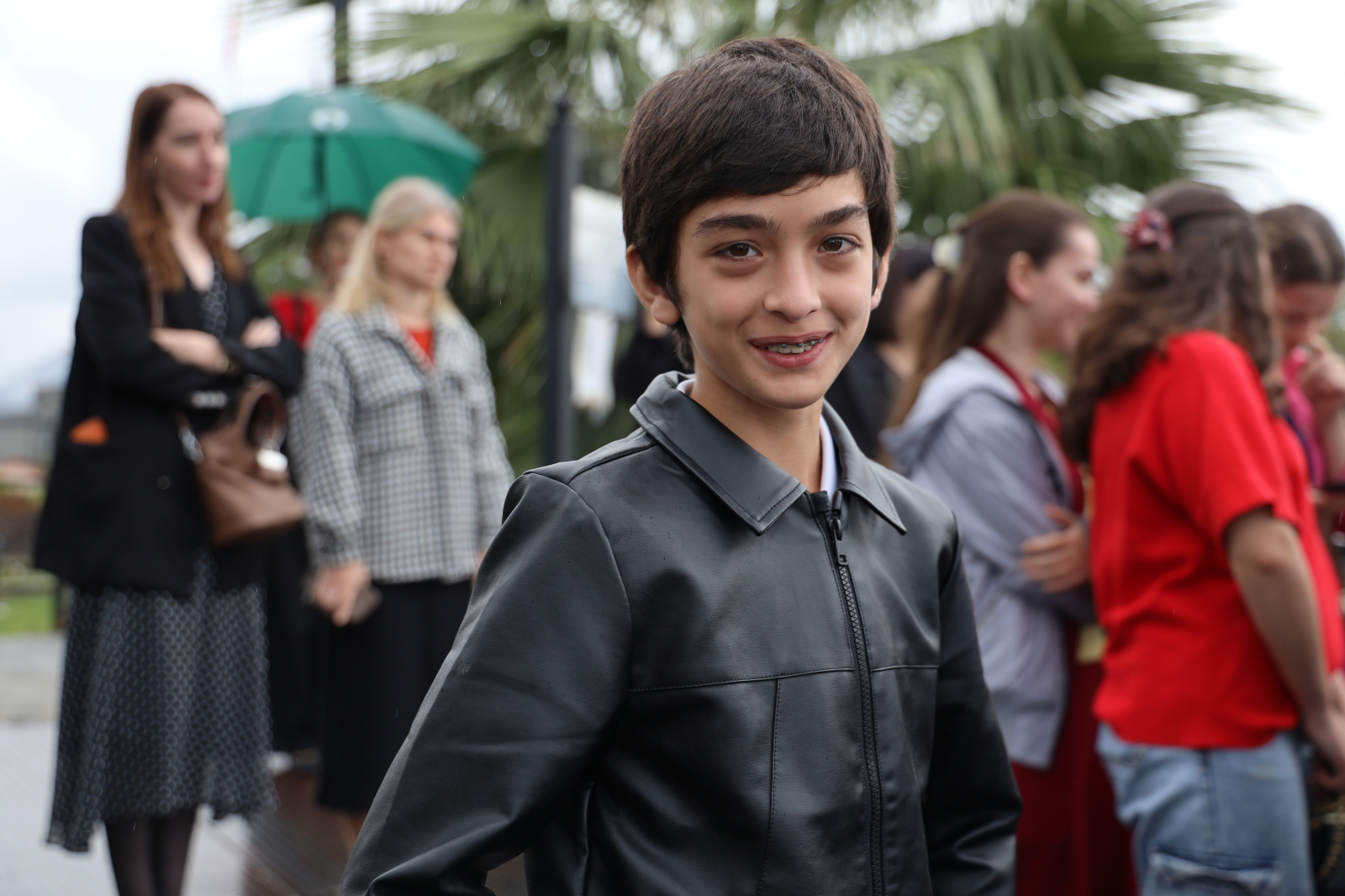
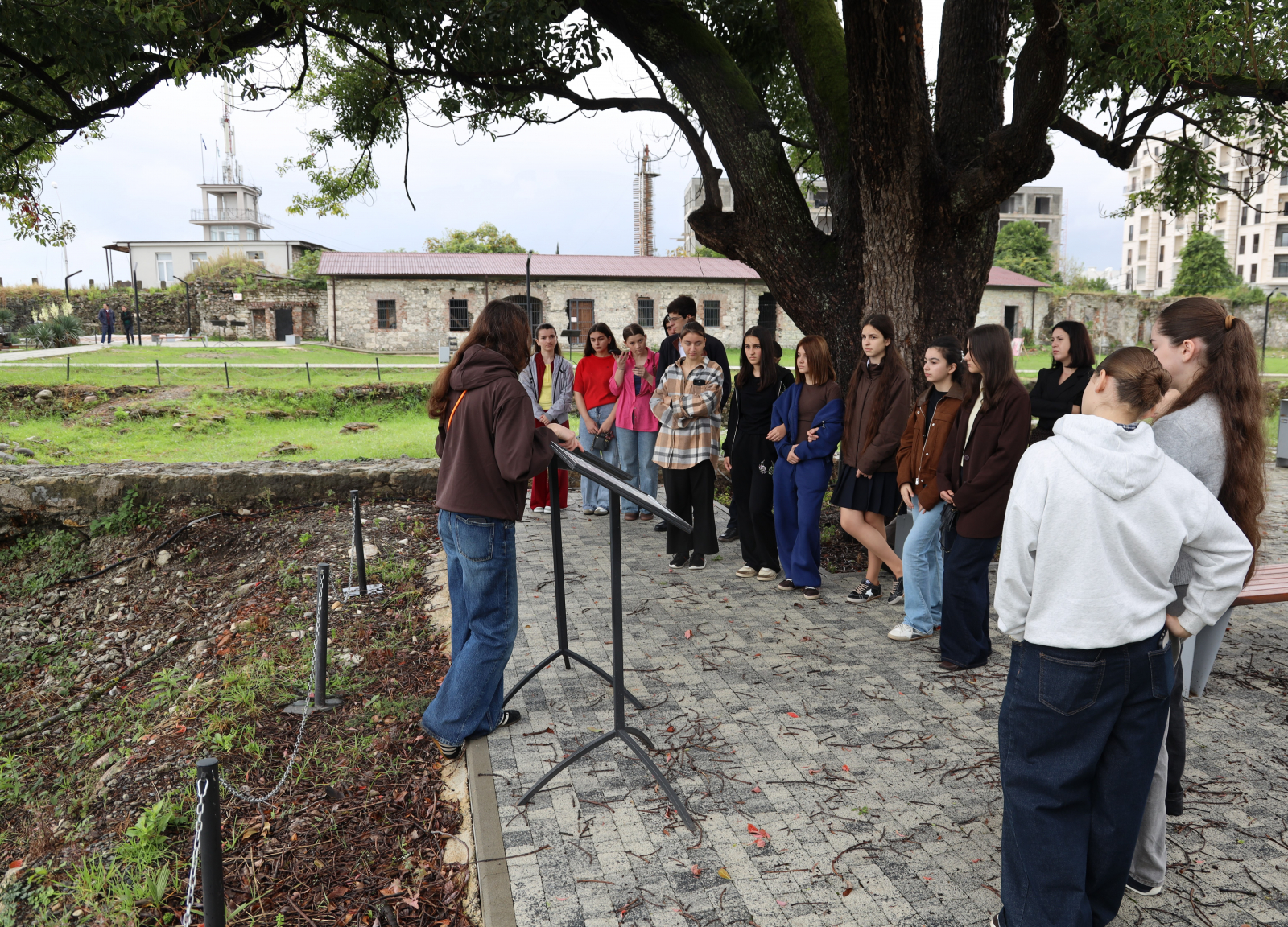
The schoolchildren were enthusiastic about the chance to visit the grounds of the Sukhum Fortress and examined the ancient finds with great interest.
Kalistrat Kondzhariia, principal of the secondary school in the village of Dzhirkhua, thanked the WAC for organizing the trip and for the day’s busy schedule:
"I would like to take this opportunity to thank the Congress for organizing such an exciting educational trip for the children. This is not our first time collaborating; our school has taken part in similar events on several occasions. We have previously been on a tour to Tkuarchal, and today we took a walk along the Sukhum embankment. I am certain that for the children, this is not only beneficial but also incredibly interesting."
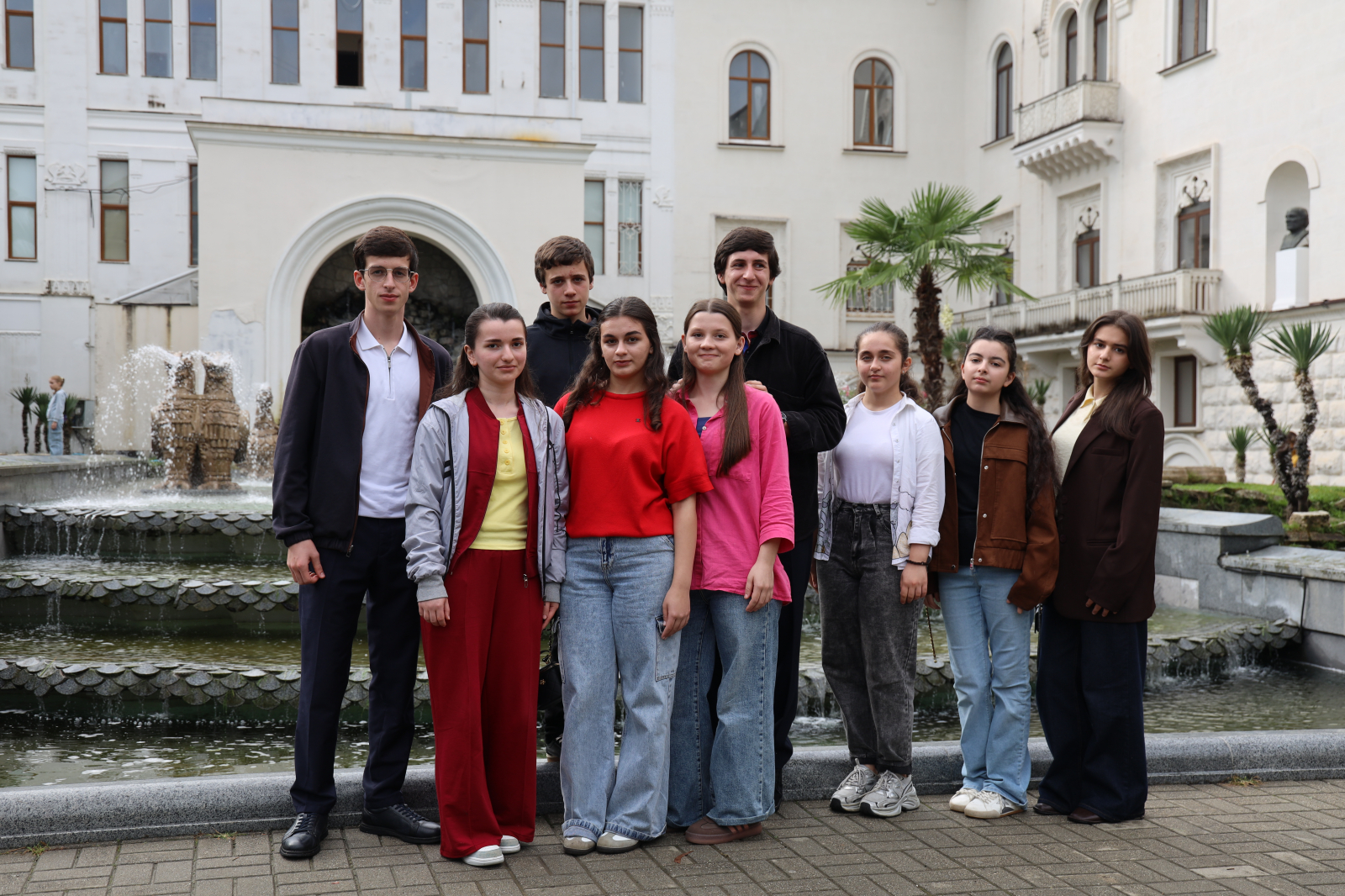
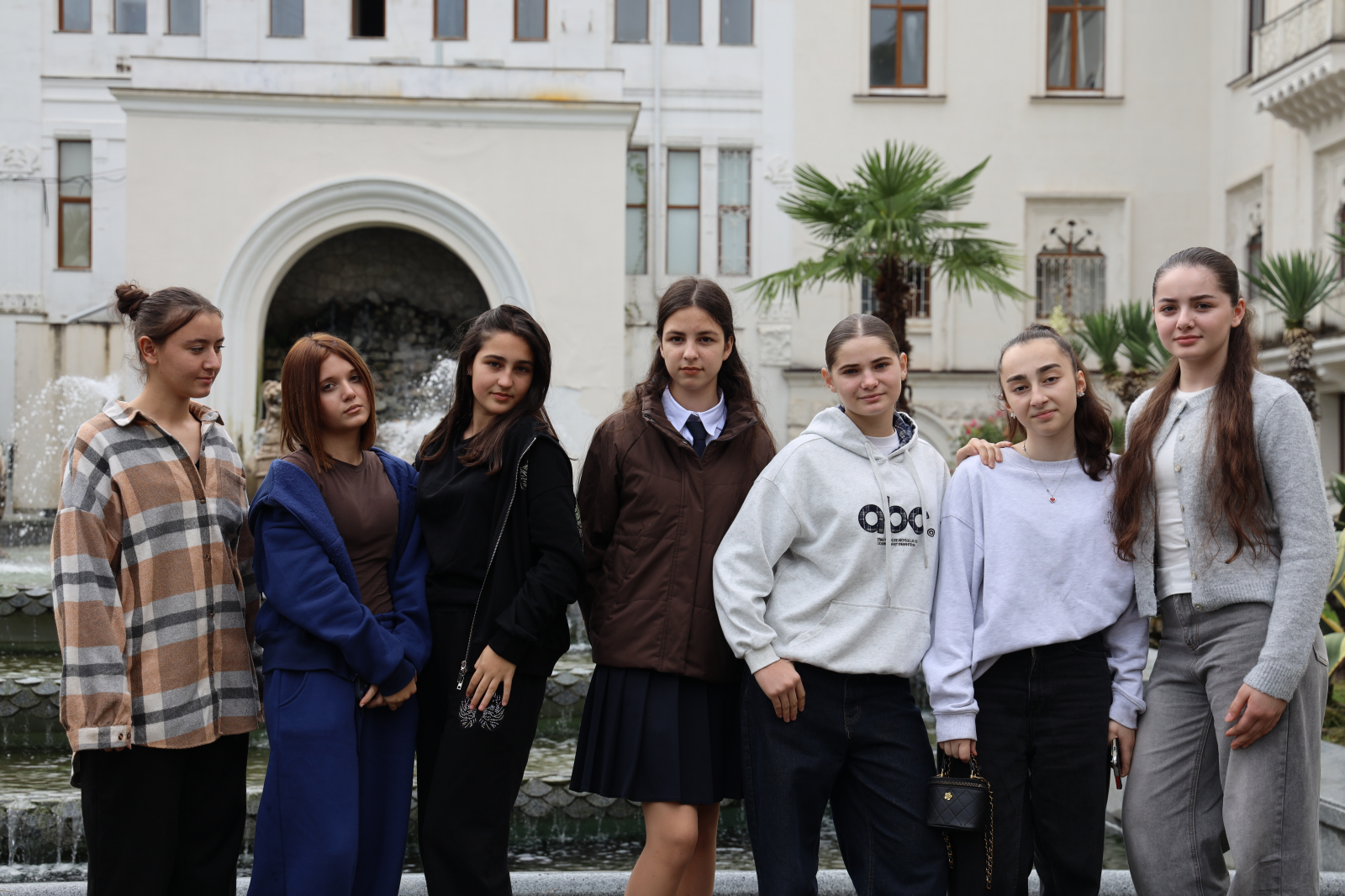
At the end of the educational program, the World Abaza Congress hosted a lunch for the students, after which they were able to take a walk along the capital’s embankment and share their impressions of the trip.